
 By Rightful Advice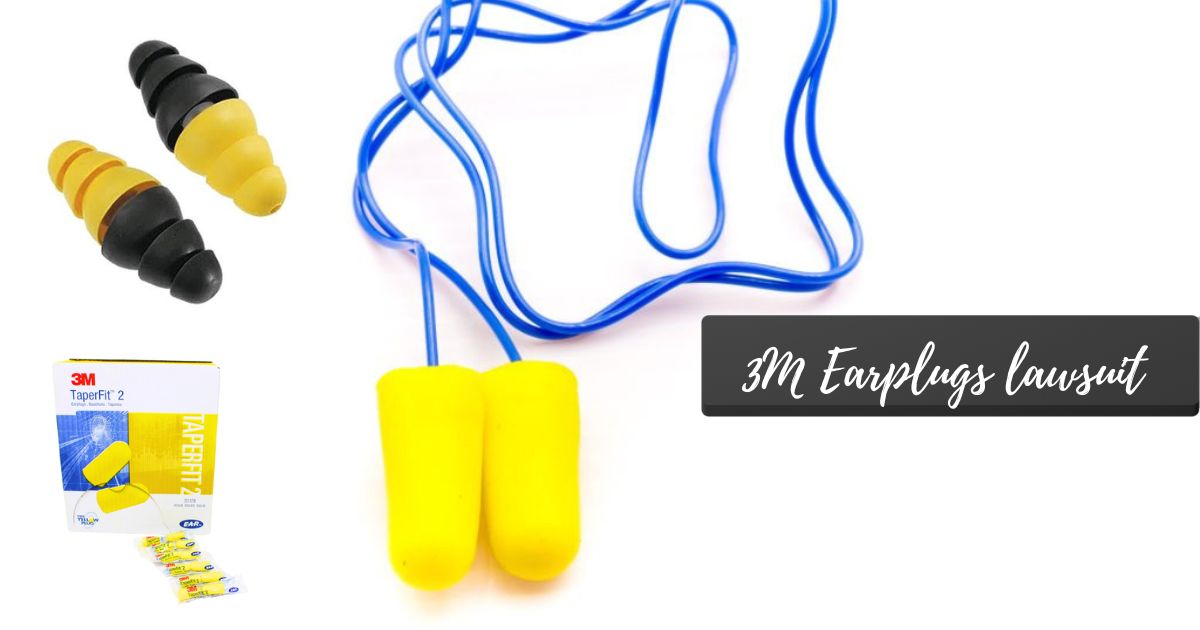
The 3M Earplugs Lawsuit has become one of the largest mass tort resolutions in U.S. history, addressing claims by hundreds of thousands of military service members and veterans who allege hearing loss and related injuries from defective Combat Arms Version 2 (CAEv2) earplugs. As of mid-2026, the multidistrict litigation (MDL) has concluded with all federal cases dismissed, and the focus has shifted entirely to the administration and distribution of the $6 billion settlement fund.
This article provides a clear overview of the background, settlement structure, current payout status, and future timeline based on court records and official settlement administrator data. It is for informational purposes only and does not constitute legal advice. Individuals with questions about their specific claims should consult qualified counsel or the official settlement portal.
Background of the 3M Earplugs Lawsuit
The 3M Earplugs Lawsuit centers on the Combat Arms Earplugs Version 2, manufactured by Aearo Technologies (acquired by 3M in 2008) and supplied to the U.S. military from approximately 1999 to 2015. These dual-ended earplugs were designed as selective attenuation devices. One end aimed to reduce loud impulse noises (such as gunfire) while allowing situational awareness, and the other provided standard hearing protection.
Plaintiffs alleged that the earplugs suffered from a design defect. They were too short for proper insertion in many users’ ears, causing them to loosen over time and fail to provide adequate protection. This allegedly exposed service members to hazardous noise levels during training and combat, leading to permanent hearing loss, tinnitus, and other auditory injuries.
The U.S. Department of Justice previously investigated related allegations, resulting in a $9.1 million False Claims Act settlement in 2018, without an admission of liability by 3M. Civil lawsuits by individual service members and veterans followed, growing into the largest multidistrict litigation in history.
In 2019, the Judicial Panel on Multidistrict Litigation centralized cases in the U.S. District Court for the Northern District of Florida under Judge M. Casey Rodgers (MDL No. 2885). At its peak, the MDL encompassed over 391,000 cases. Bellwether trials produced significant verdicts against 3M, though the company maintained that the products were safe and effective when used properly.
The 2023 Settlement Agreement
On August 29, 2023, 3M and plaintiffs’ leadership reached a global settlement without any admission of liability. The agreement provided up to $6.01 billion to resolve claims from military service members, veterans, and certain commercial users. The structure included approximately $5 billion in cash and $1 billion in 3M stock (later converted to cash equivalents). Payments were scheduled over several years through 2029 to manage the fund responsibly.
BrownGreer PLC was appointed as the Settlement Administrator. The program established multiple tracks, including:
- Early Payment Program (EPP or Expedited Payment Program): Fixed payments for qualifying claimants with streamlined documentation.
- Deferred Payment Program (DPP): Point-based system for claimants providing additional evidence of injury severity, such as audiograms showing progression of hearing loss during service. Points consider factors like degree of hearing loss, tinnitus, bilateral involvement, age, and causal connection.
- Extraordinary Injury Fund (EIF): Additional compensation for severe or atypical injuries not fully addressed by standard awards.
- Wave Cases: Later-filed claims handled under a separate but related agreement (MSA III).
Participation exceeded 99 percent, triggering full funding obligations. The settlement resolved claims efficiently while incorporating mechanisms for lien resolution (such as with TRICARE) and quality control.
Current Status as of June 2026
The federal MDL has reached full resolution. As of April 2026, all 391,283 cases filed in MDL 2885 were dismissed, with only a small number of coordinated cases remaining in Minnesota state proceedings.
Payouts have progressed substantially. Official data from the settlement website (last updated June 19, 2026) reports total payments issued exceeding $3.036 billion across all agreements.
Key milestones include:
- Nearly 100 percent of EPP claimants paid (over 232,000 individuals).
- Wave Cases largely resolved.
- DPP registration payments mostly complete, with the first round of point-based awards underway.
- Most EIF awards processed.
A Special Master’s report in early 2026 addressed concerns with certain claims (notably involving foreign referral sources), leading to their disqualification after judicial review. This incident highlighted the importance of rigorous documentation verification in large-scale settlement programs but did not disrupt the overall administration for the vast majority of valid U.S. veteran claims.
Settlement and Payout Timeline
The settlement incorporates a structured, multi-year funding and distribution schedule to ensure orderly payments. Major funding tranches and point-value calculations continue through 2029.
Notable upcoming dates (based on official timelines):
- September 15, 2026: $800 million funding tranche.
- October 1, 2026: Second Point Dollar Value Calculation for DPP awards.
- Subsequent tranches and calculations in 2027–2029 for remaining DPP and EIF distributions.
Payments are issued on a first-in, first-out basis where applicable. Claimants receive notices through the secure portal, and distributions occur after verification. Average payouts vary widely depending on the track, injury severity, and documentation. Many EPP claimants received fixed amounts in the tens of thousands of dollars, while DPP and EIF awards can be higher for more significant injuries.
The extended timeline allows for ongoing fund management, point-value adjustments based on available resources, and final administrative closeout.
How the Process Works for Claimants
Eligible individuals (or their representatives) submit claims through the administrator’s portal. Requirements typically include proof of military service, use of the CAEv2 earplugs, and medical evidence of hearing-related injury. The program emphasizes verifiable documentation, such as service records and audiograms.
Common legal procedures in such mass tort settlements include claims verification, lien resolution, pro-rata adjustments if needed, and opportunities for reconsideration or appeals within the program. Courts oversee administration to ensure fairness and transparency, consistent with established practices in multidistrict litigation under the Federal Rules of Civil Procedure.
Why This Matters
The 3M Earplugs Lawsuit underscores the real-world impact of product liability claims on service members who relied on government-issued equipment. Hearing loss can affect veterans’ quality of life, employment opportunities, and eligibility for benefits through the Department of Veterans Affairs. The settlement provides a measure of compensation and accountability without the need for protracted individual trials.
For the broader legal system, it demonstrates the efficiency of coordinated MDL proceedings and global settlements in managing exceptionally large dockets. It also highlights ongoing challenges, such as insurance coverage disputes between 3M and its carriers, which have been litigated separately.
Looking Ahead
While the litigation phase has ended, the settlement administration will continue for several years. Claimants should monitor official communications from BrownGreer and the settlement website for updates on distributions, point calculations, and any remaining requirements.
This article reflects information available as of June 2026 from court dockets, the official settlement administrator, and reputable legal reporting sources. Developments in mass tort administration can evolve, and readers are encouraged to verify the latest details directly through authorized channels.
This article is for informational purposes only and does not constitute legal advice. Consult a qualified attorney or the settlement administrator for guidance on individual circumstances.
You may also like: Medical Negligence Lawsuit: How to Prove Claims & Win Compensation