
 By Rightful Advice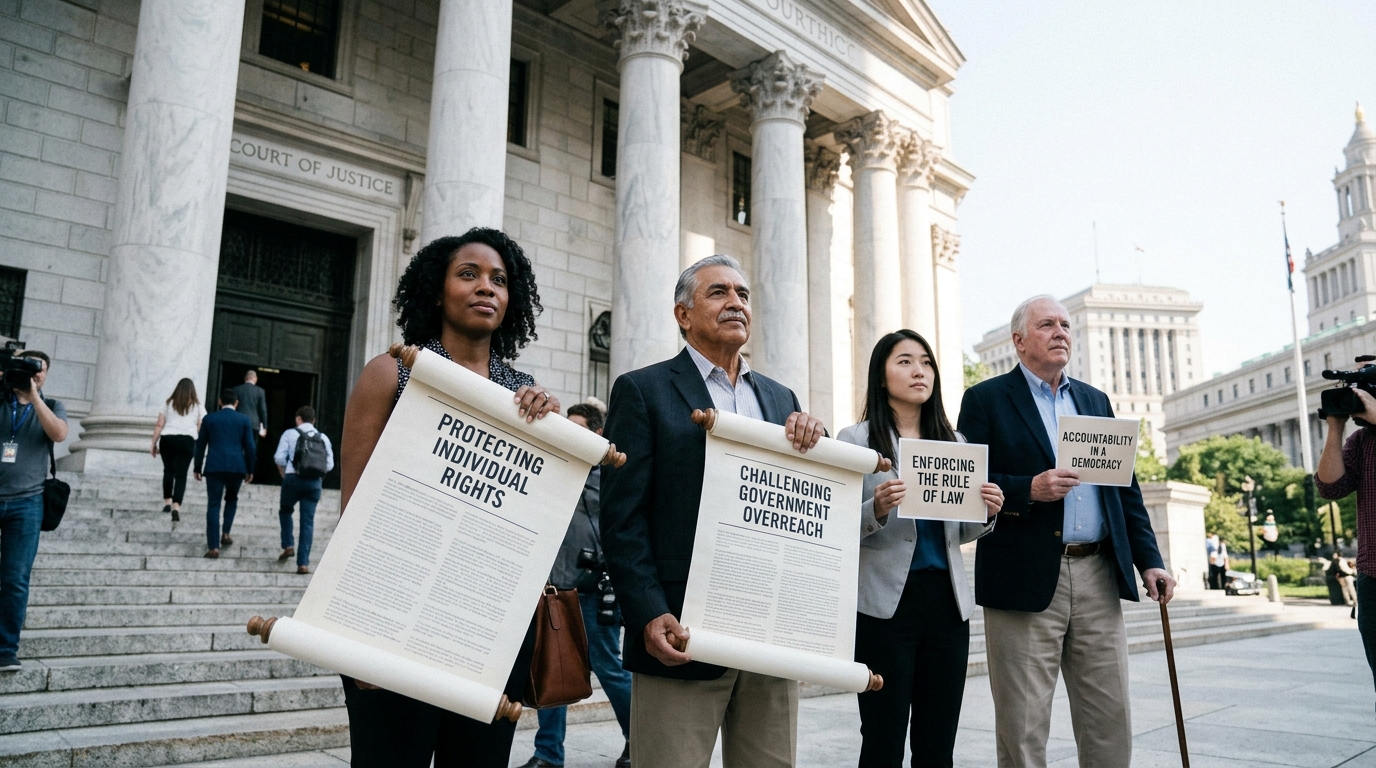
In any democratic society, a robust legal system is essential for sustaining public trust and ensuring those in power are held accountable. Lawsuits, whether initiated by individuals, advocacy groups, or the government, help enforce justice and maintain faith in institutions. Holding entities accountable through litigation can lead to significant policy and societal advancements. For an example of ongoing legal actions that impact the public interest, visit https://www.naacpldf.org/ldf-trump-lawsuit-tracker/ for updates on high-profile cases affecting democracy.
Lawsuits empower ordinary citizens and organizations to challenge injustice in courts. From exposing corporate malfeasance to holding public officials accountable, litigation is one of the few avenues for redress when all other checks fail. Through the court system, individuals can participate directly in the democratic process, shaping public policy and ensuring fair play. This ability to demand accountability remains a central pillar of a functioning democracy.
The Role of Lawsuits in Upholding Accountability
Lawsuits are a crucial mechanism for holding powerful interests and, at times, government actors accountable. Mass tort litigation, in particular, allows groups of affected individuals to band together and seek justice and compensation after widespread harm, often prompting industry-wide changes. When industries or regulatory agencies fail to act, litigation fills the gap, leading to new safety measures or business practices that better protect the public. Lawsuits also deter negligent or fraudulent behavior, providing a necessary safeguard when voluntary compliance is insufficient.
Beyond individual or collective redress, lawsuits act as a deterrent. The threat of legal action alone can prompt companies and public officials to comply with laws and maintain higher ethical standards. This, in turn, sustains public trust, which is essential for democracy to function effectively, the very foundation upon which democratic legitimacy rests. When people believe there is recourse for wrongdoing, trust in the system endures.
Strategic lawsuits have been critical in shaping policy and influencing governmental conduct, demonstrating the broad societal implications of legal challenges rooted in calls for accountability.
Mass Tort Lawsuits and Public Safety
Mass tort lawsuits have played a transformative role in shaping public health and safety standards. When a defective product or negligent corporate practice impacts large numbers of people, mass tort litigation allows victims to pool resources and pursue action collectively. This gives individuals the strength to hold major corporations accountable, sometimes resulting in billions of dollars in settlements or regulatory reform.
High-profile cases, such as those involving pharmaceutical or tobacco companies, have reshaped industries, led to stricter regulations, and compelled companies to prioritize consumer safety. For example, litigation targeting the opioid epidemic has led to landmark settlements and new oversight measures aimed at preventing future public health crises.
Political Lawsuits and Public Trust
While lawsuits can drive positive change, they are sometimes weaponized for political gain. Political lawsuits, often designed to slow down or obstruct policies, can burden courts and undermine public confidence in the legal system. When repetitive or frivolous lawsuits are used as political tactics rather than to resolve legitimate disputes, resources are wasted, and the judiciary’s reputation suffers. The increase in politically charged lawsuits risks deepening polarization and diluting the impact of legitimate legal grievances.
Maintaining a balanced approach is vital. Overuse of litigation for political purposes rather than genuine accountability can lead to public disillusionment and weaken faith in the justice system. An effective democracy requires that the courts retain legitimacy by distinguishing between authentic grievances and political maneuvering.
Qui Tam Lawsuits: Empowering Whistleblowers
Qui tam lawsuits, authorized under the False Claims Act, offer private citizens the chance to bring lawsuits on behalf of the government to expose fraud and recover public funds. These cases have led to major recoveries for taxpayers and have exposed significant corruption and wrongdoing in both private industry and government contracts.
However, the complexity of qui tam lawsuits also underscores the need for oversight. While whistleblowers are incentivized to report fraud, there is a risk that the process could be exploited, leading to unwarranted or excessive claims. A careful balance must be maintained to ensure that the system supports genuine whistleblowers while safeguarding against misuse.
Transparency and Accountability in the Legal System
Transparency within the legal system is imperative for the health of democracy. Exemptions or immunity granted to certain industries can erode public trust, especially when they shield those industries from lawsuits, as seen in some climate change litigation efforts. For democracy to thrive, every entity must be subject to the same legal standards and transparency rules. Only equal accountability can foster an environment in which justice is served impartially, and the public’s interests are genuinely protected.
The Impact of Legal Challenges on Democratic Institutions
Appropriately used, legal challenges can address real grievances, enforce rights, and strengthen democratic institutions. When lawsuits are used to enforce accountability, correct injustices, or clarify the law, they reinforce public confidence in the system. Conversely, the use of the courts for political gamesmanship can strain resources and undermine the long-term health of democratic governance, leading to cynicism and disengagement among ordinary citizens.
Ensuring the continued integrity of the legal system requires a steadfast commitment to transparency, fairness, and genuine accountability. The judiciary should not be a battleground for political interests but a neutral forum where the rule of law prevails.
Conclusion
Lawsuits stand at the heart of a vibrant democracy by providing necessary mechanisms for accountability, transparency, and the protection of public interests. When practiced with integrity, litigation can drive meaningful reform and justice, supporting the foundational values upon which democracy is built. However, the risk of misuse for political ends is ever-present, necessitating vigilance from citizens, policymakers, and the judiciary alike. Nurturing an environment that prizes transparency, fairness, and effective recourse ensures ongoing public trust and the resilience of democratic institutions.