
 By Rightful Advice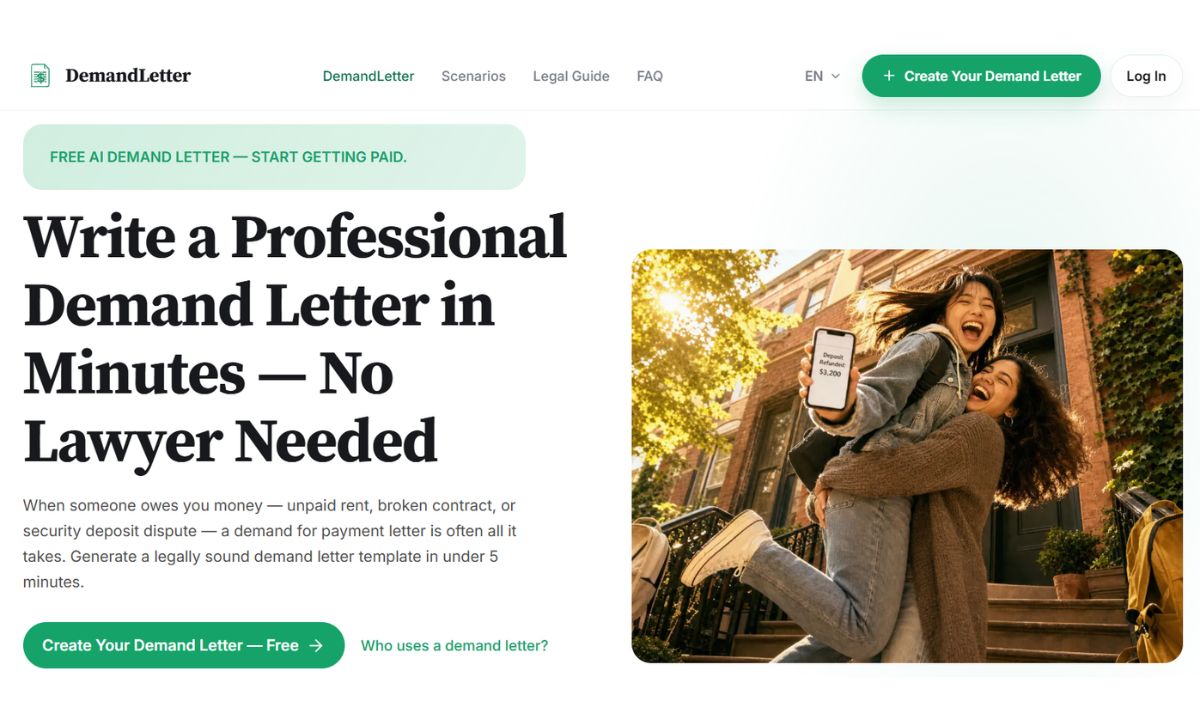
Something strange has been happening online lately. People who never dealt with lawyers, contracts, or “legal stuff” in their lives are suddenly posting screenshots of letters that got them refunds, deposits back, or unpaid invoices settled — all without hiring an attorney. The secret behind most of these stories is a simple tool: a demand letter generator.
If you’ve never heard the term before, you’re not alone. But once you know what it is, you start noticing it everywhere — in landlord-tenant subreddits, freelancer Facebook groups, and even TikTok comment sections where someone asks how they got their deposit back so fast.
What Even Is a Demand Letter
A demand letter is a formal written request asking someone — a landlord, a contractor, a former employer, an insurance company — to pay what they owe or fix a wrong they caused. It’s the step that comes before small claims court, not after. Lawyers have used them for decades because a well-written letter often ends a dispute before it ever needs a judge.
The catch used to be that writing one well required either paying a lawyer a few hundred dollars or spending hours trying to sound official on your own. Most people just gave up and ate the loss instead.
How a Demand Letter Generator Actually Works
This is where things changed. A demand letter generator takes the guesswork out of the process. You answer a few plain-language questions about your situation — what happened, how much money is involved, what you want the other side to do — and the tool produces a structured, professional letter in minutes instead of hours.
What makes this genuinely useful isn’t just the speed. It’s that these tools are built around the format that actually gets results: a clear statement of facts, a specific dollar amount or action requested, a firm deadline, and language that signals you’re serious about escalating if ignored.
A platform called demand letter generator is one of the tools people have been using for exactly this purpose — turning a messy dispute into a clean, ready-to-send letter without needing legal training.
The Everyday Situations Where This Helps
This isn’t just for big lawsuits. Most people use these tools for the small stuff that adds up:
- A landlord who “forgot” to return a security deposit
- A contractor who took a deposit and never finished the job
- A rideshare or delivery company that shorted a payment
- An ex-roommate who ghosted on their share of a broken lease
- A client who’s gone quiet on an invoice
None of these situations feel big enough to hire a $300-an-hour lawyer for. But they’re also too annoying to just let go. That’s the gap these tools fill.
Is It Actually Worth Using?
Here’s the honest answer: it depends on how much you value your time and your odds of getting paid. Writing a demand letter from scratch isn’t hard once you know the format, but most people don’t — and that’s usually where things go wrong.
Some people prefer a tool that goes beyond just drafting and helps track the dispute after the letter is sent. For that, a platform like demand letter generator is built around managing the process from the first letter through to resolution, which is useful if the other side doesn’t respond right away.
It’s worth being realistic, too — a demand letter isn’t a guarantee. But even then, having a documented, formal attempt to resolve things matters if you end up in small claims court later.
A Few Tips If You’re Sending One Yourself
- Stick to facts, not feelings.
- Name a specific deadline — “soon” gets ignored, “within 10 business days” gets attention.
- Keep a paper trail. Send it in writing, not just a phone call.
- State exactly what you want — vague requests get vague responses.
What a Good Demand Letter Actually Looks Like
A solid demand letter follows a predictable shape: who’s writing and why, a factual timeline, a reference to the broken agreement, and a clear, dated request. That structure is why these tools work — most people writing on their own either soften the request too much or overload it with frustration that makes it easy to dismiss.
Common Mistakes People Make Without One
DIY letters often skip specific dates, forget a dollar amount, bury the request, or leave out a deadline entirely. A letter that says “please pay $850 within 10 business days” is far harder to brush off than one that just says “pay me back soon.”
The Bottom Line
You don’t need a law degree to stand up for yourself when someone owes you money or broke an agreement. Most disputes never reach a courtroom — a clear, well-documented letter is often enough to prompt a response.
This article is for general informational purposes and isn’t a substitute for legal advice.