
 By Rightful Advice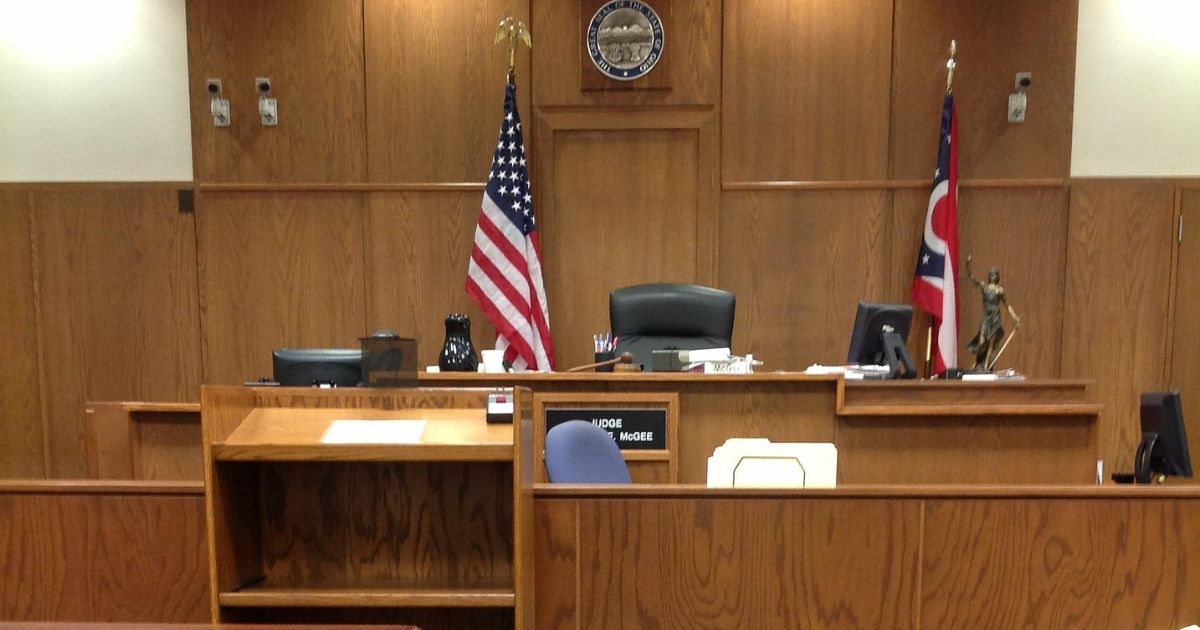
Adesola Miller, owner of The Haven bar in Iowa City, Iowa, has faced multiple operating while intoxicated (OWI) charges in 2025, drawing public attention due to the circumstances of the incidents, including one involving young children.
This article provides an overview of the reported facts, applicable Iowa law, and available case details based on public records and news reports from local authorities. Information reflects details available as of the latest reports. Court proceedings in such cases follow standard processes in Iowa district courts.
Background on the Incidents
In February 2025, Iowa City police responded to a crash involving a parked vehicle near the intersection of Johnson and Jefferson Streets. According to reports, Adesola Miller, then 31, was operating a blue Saturn Vue that struck at least one parked car around 7:15 p.m.
Officers observed signs of intoxication. A chemical breath test reportedly returned a result of 0.181 percent blood alcohol concentration (BAC). Miller’s 3-year-old and 5-year-old children were in the vehicle at the time. Police also reported finding marijuana in the vehicle.
Miller faced charges including:
- Operating while intoxicated (OWI), alleged as a third or subsequent offense
- Two counts of child endangerment
- Possession of a controlled substance (third or subsequent offense)
- Failure to provide proof of financial liability (no insurance)
She was arrested and held in the Johnson County Jail.
In August 2025, Miller was arrested again in Coralville, Iowa, for a separate OWI incident. Police pulled her over around 11:45 p.m. at the intersection of Coral Ridge Avenue and Commerce Drive. Officers noted the smell of alcohol, slurred speech, bloodshot eyes, and difficulty maintaining balance. She reportedly refused field sobriety tests and a breathalyzer.
Charges from this incident included:
- Operating while intoxicated (OWI)
- Driving while license denied or revoked
- Providing false identification information
This was described as her second OWI offense of the year.
Additional reports reference a March 2026 arrest in Muscatine County involving charges such as driving under suspension, driving with a license denied or revoked related to OWI, and interference with official acts.
Understanding Iowa OWI Laws
In Iowa, OWI (often referred to interchangeably with DUI) is governed primarily by Iowa Code Chapter 321J. Operating a motor vehicle while under the influence of alcohol or drugs, or with a BAC of 0.08 percent or higher (0.02 percent for commercial drivers or those under 21 in some contexts), constitutes an OWI offense.
Penalties escalate with prior offenses:
- First offense: Typically a serious misdemeanor, with potential jail time, fines, license revocation, and substance abuse evaluation.
- Second offense: Aggravated misdemeanor.
- Third or subsequent: Class D felony, carrying more significant prison time.
Additional factors, such as the presence of children in the vehicle, can lead to separate child endangerment charges under Iowa Code Section 726.6. Child endangerment is a serious offense that prioritizes the protection of minors and can result in felony-level penalties depending on the degree of risk created.
Refusal of chemical testing can trigger administrative license sanctions through the Iowa Department of Transportation (IDOT), separate from criminal proceedings. Driving while license denied or revoked adds further complications, often leading to additional criminal counts.
These laws reflect Iowa’s emphasis on public safety, particularly in protecting vulnerable road users and children from impaired driving risks.
Court Process and Procedures
In Iowa, OWI cases typically begin with an arrest and initial appearance before a magistrate or district judge, where bail or bond conditions are set. Arraignment follows, during which the defendant enters a plea. Discovery, pretrial motions, and potential plea negotiations occur next. Many cases resolve through plea agreements, while others proceed to trial.
For cases involving child endangerment or repeat offenses, prosecutors from the county attorney’s office (such as Johnson County or Johnson County-related jurisdictions) present evidence, including police reports, breath test results, and witness statements. Defense counsel may challenge the stop’s legality, test administration, or other procedural aspects under established Fourth Amendment principles and Iowa rules of evidence.
Sentencing, if a conviction occurs, considers factors like prior record, level of impairment, harm caused, and mitigating circumstances. Iowa courts may order substance abuse treatment, ignition interlock devices, community service, or probation in addition to incarceration and fines.
As of the most recent public reports, detailed outcomes such as pleas, trial dates, or sentencing for Miller’s 2025 OWI charges were not extensively detailed in available news sources. Court dockets in Iowa are generally accessible through the Iowa Courts Online system for further verification by interested parties. Cases remain subject to ongoing judicial proceedings.
Broader Context and Implications
Repeat OWI offenses highlight challenges within the criminal justice system regarding deterrence and rehabilitation. Iowa law provides mechanisms for enhanced penalties on subsequent offenses to encourage compliance with sobriety requirements. Incidents involving children underscore the intersection of impaired driving laws with child welfare statutes, where authorities must balance immediate safety concerns with due process.
For bar owners and those in the hospitality industry, such charges can also raise questions about compliance with liquor control regulations enforced by the Iowa Alcoholic Beverages Division. However, each case is evaluated on its specific facts.
Public interest in these matters often stems from concerns about road safety and accountability, especially when vulnerable parties like children are involved. Iowa authorities, including local police departments and courts, handle thousands of OWI cases annually as part of broader efforts to reduce impaired driving.
Key Takeaways
- Adesola Miller faced OWI-related charges in at least two incidents in 2025, one involving a crash with children present and another traffic stop.
- Iowa OWI laws impose escalating penalties for repeat offenses and additional charges for aggravating factors.
- Court processes emphasize evidence-based adjudication through standard criminal procedures.
- Individuals facing similar charges should consult qualified legal counsel for case-specific guidance.
This article is for informational purposes only and does not constitute legal advice. Readers seeking advice on specific legal matters should contact an attorney licensed in the relevant jurisdiction or refer to official court records. Legal outcomes depend on individual facts, evidence presented, and judicial discretion. For the most current updates, check the Iowa Judicial Branch website or contact the appropriate county clerk of court.
You may also like: 3M Earplugs Lawsuit Update 2026: Settlement & Payout Timeline