
 By Rightful Advice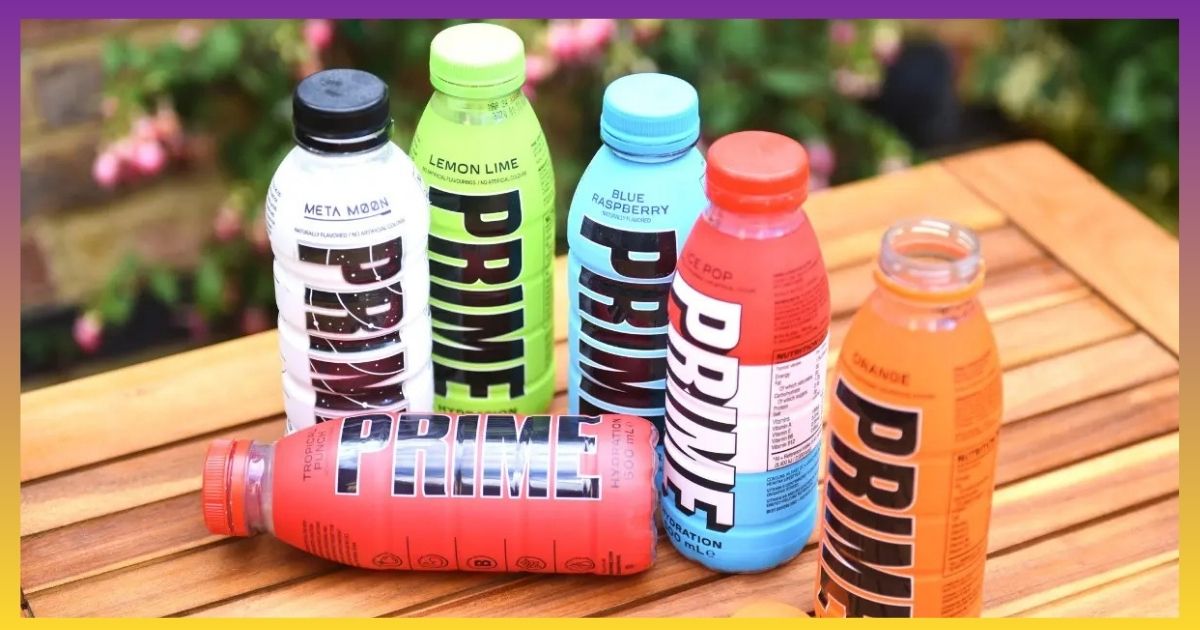
Prime Hydration LLC faces ongoing legal scrutiny in connection with the Prime drink lawsuit over allegations involving per- and polyfluoroalkyl substances (PFAS) in its hydration products and caffeine content in its energy drinks. These class action cases, filed in federal courts, center on claims of deceptive marketing and inadequate disclosure of ingredients in products popular among consumers, including younger audiences.
As of early 2026, one major caffeine-related claim has reached resolution through dismissal. While the PFAS matter remains active with proceedings advancing toward potential class certification and settlement discussions.
This article examines the key developments, legal framework. And implications of the Prime drink lawsuit for affected consumers and the beverage industry. The cases highlight broader issues in product labeling, consumer protection, and regulatory oversight of sports and energy drinks.
Background & Legal Context
Prime Hydration drinks and Prime Energy drinks were launched in 2022 by Prime Hydration LLC. A company co-founded by influencers Logan Paul and KSI and affiliated with Congo Brands. The hydration line markets itself as a sports drink for rehydration, while the energy version positions itself as a caffeinated beverage. Rapid growth through social media promotion and partnerships with sports leagues drew widespread consumer interest.
The Prime drink lawsuit traces back to independent testing and consumer complaints that surfaced in 2023. A class action complaint filed on August 2, 2023, in the U.S. District Court for the Northern District of California (Castillo v. Prime Hydration LLC) alleged the presence of PFAS in the grape flavor of Prime Hydration. Plaintiffs claimed that third-party laboratory analysis detected these synthetic chemicals. Which the company allegedly failed to disclose this despite marketing the product as a healthy hydration option.
Separately, a proposed class action filed on April 8, 2024, in the U.S. District Court for the Southern District of New York (Vera v. Prime Hydration LLC) challenged the caffeine labeling on Prime Energy drinks. The complaint asserted that certain 12-ounce cans contained 215 to 225 milligrams of caffeine rather than the advertised 200 milligrams.
These filings invoke established consumer protection statutes, including California’s Unfair Competition Law and Consumers Legal Remedies Act, as well as federal claims under the Food, Drug. And Cosmetic Act regarding misbranding and false advertising. The lawsuits do not allege direct violations of specific numerical limits for PFAS in beverages (as the U.S. Environmental Protection Agency primarily regulates PFAS in drinking water) or mandatory quantitative caffeine declarations on nutrition labels (which the U.S. Food and Drug Administration treats as voluntary for most beverages). Instead, they focus on whether the marketing created reasonable consumer expectations of safety and accuracy that the products allegedly failed to meet.
Key Legal Issues Explained
PFAS, often called “forever chemicals” because they persist in the environment and human body, include thousands of synthetic compounds used in manufacturing for water- and grease-resistance. In the context of the Prime drink lawsuit, plaintiffs allege that trace levels detected in product testing render the drinks “adulterated” or misbranded under consumer laws. Legal standards require companies to avoid deceptive omissions that could mislead a reasonable consumer about material product attributes. Such as the presence of substances linked in scientific literature to potential health concerns including liver effects, immune system impacts, and developmental issues.
The caffeine claims turn on labeling accuracy and implied safety representations. Federal regulations require caffeine to appear in the ingredients list when added, but do not mandate exact milligram amounts on the nutrition facts panel for most drinks. Plaintiffs argued that the discrepancy between advertised and tested levels, combined with marketing that appealed to younger consumers, constituted false advertising. Courts evaluate such claims under a “reasonable consumer” test: whether the average purchaser would find the representation materially misleading.
Both sets of allegations also reference product liability principles, asserting that undisclosed risks could support claims for economic harm (such as overpayment for products not as represented) or, in limited cases, personal injury if plaintiffs demonstrate specific causation and damages.
Latest Developments or Case Status
As of April 2026, the Prime drink lawsuit has produced distinct outcomes for the two primary tracks.
The caffeine labeling case in the Southern District of New York advanced to a ruling in August 2025. U.S. District Judge Katherine Polk Failla dismissed the class action with prejudice, concluding that the alleged excess of 15 to 25 milligrams of caffeine per can represented an immaterial “smidgen” that would not deceive a reasonable consumer. The court found the difference insufficient to support claims of false advertising or deceptive practices. No appeal outcome altering this dismissal has been reported in public updates.
The PFAS case in the Northern District of California remains ongoing. Prime Hydration LLC filed a motion to dismiss, arguing that plaintiffs failed to establish a concrete injury or imminent future harm. The court has allowed limited proceedings to continue, with discovery underway as of early 2026. Related consumer claims involving marketing practices have been consolidated in some federal proceedings. With a scheduling order issued in February 2026 and depositions of company executives occurring in March 2026. Class certification hearings are anticipated later in 2026, and settlement discussions have been reported in connection with broader litigation against the company. No final settlement approval or trial date has been set.
Prime Hydration LLC has consistently denied the allegations, maintaining that its products comply with applicable FDA regulations. That any detected PFAS levels are trace amounts consistent with environmental background, and that labeling meets industry standards. The company has emphasized that testing methods and results cited by plaintiffs require careful scrutiny.
Who Is Affected & Potential Impact
Consumers who purchased Prime Hydration or Prime Energy drinks since 2022 may qualify as potential class members in the ongoing matters. This includes individuals who bought the products for personal use, as well as parents who provided them to minors. The primary alleged harms are economic (overpayment based on allegedly misleading marketing) rather than requiring proof of personal illness for class-wide claims.
Businesses in the beverage sector, retailers, and influencers involved in promotion could face indirect effects if labeling or safety standards evolve. Regulatory agencies such as the FDA and EPA continue to monitor PFAS in food contact materials and beverages more broadly. Which may influence industry practices nationwide.
Potential outcomes include court-approved settlements providing cash payments to class members, changes to product labeling or marketing, or injunctive relief requiring enhanced disclosures. If cases proceed to trial and result in findings against the company, they could establish precedents for how beverage manufacturers handle third-party testing results and ingredient transparency.
What This Means Going Forward
The Prime drink lawsuit underscores the importance of precise labeling and proactive disclosure in the competitive sports and energy drink market. It illustrates how consumer class actions can drive accountability even where federal regulations do not impose strict quantitative limits on certain substances.
For the beverage industry, the proceedings highlight growing expectations around supply chain transparency and independent verification of marketing claims. Companies may increasingly adopt voluntary testing protocols or updated packaging statements to mitigate similar risks.
Consumers and professionals should monitor court dockets in the Northern District of California for updates on class certification and any settlement proposals. Public interest in these matters remains high, given the popularity of the products and ongoing scientific and regulatory discussions about PFAS and caffeine in beverages.
Frequently Asked Questions
What is the Prime drink lawsuit about?
The Prime drink lawsuit encompasses class action claims alleging undisclosed PFAS in certain Prime Hydration flavors and inaccurate caffeine labeling in Prime Energy drinks. Plaintiffs assert that these issues amount to deceptive marketing under state consumer protection laws.
Has the caffeine labeling case been resolved?
Yes. The primary federal class action challenging caffeine content in Prime Energy was dismissed with prejudice in August 2025 by a judge in the Southern District of New York. The court ruled the alleged difference was not material to reasonable consumers.
Are PFAS claims still active in 2026?
The PFAS-related class action filed in the Northern District of California remains ongoing. Discovery is proceeding, and settlement discussions have been noted in connection with consolidated claims.
Who can potentially join the Prime drink lawsuit?
Individuals who purchased qualifying Prime products in the United States during the relevant periods may have standing to participate in any certified class or settlement. Eligibility depends on specific case definitions, and potential claimants should consult qualified counsel for case-specific review.
Do these lawsuits claim that Prime drinks caused personal health injuries?
Most claims focus on economic harm from allegedly misleading marketing rather than requiring proof of specific personal injury for class membership. Separate individual actions could address documented health effects if supported by medical evidence and causation.
What regulatory agencies oversee issues raised in the Prime drink lawsuit?
The FDA regulates beverage labeling and food safety, while the EPA addresses PFAS in environmental contexts such as drinking water. Neither agency has issued product-specific enforcement actions against Prime Hydration LLC in connection with these lawsuits.
Conclusion
The Prime drink lawsuit reflects ongoing consumer and judicial attention to transparency in the marketing of popular beverages. With the caffeine claims resolved through dismissal and the PFAS matter advancing through federal court processes in 2026. The cases provide a timely example of how class actions operate under established legal standards for disclosure and advertising accuracy.
Stakeholders are encouraged to stay informed through official court records and regulatory announcements. This article is for informational purposes only and does not constitute legal advice. Individuals with questions about potential claims should consult a qualified attorney.
You may also like: Foreclosure Defense Attorney | Stop Foreclosure & Save Your Home