
 By Rightful Advice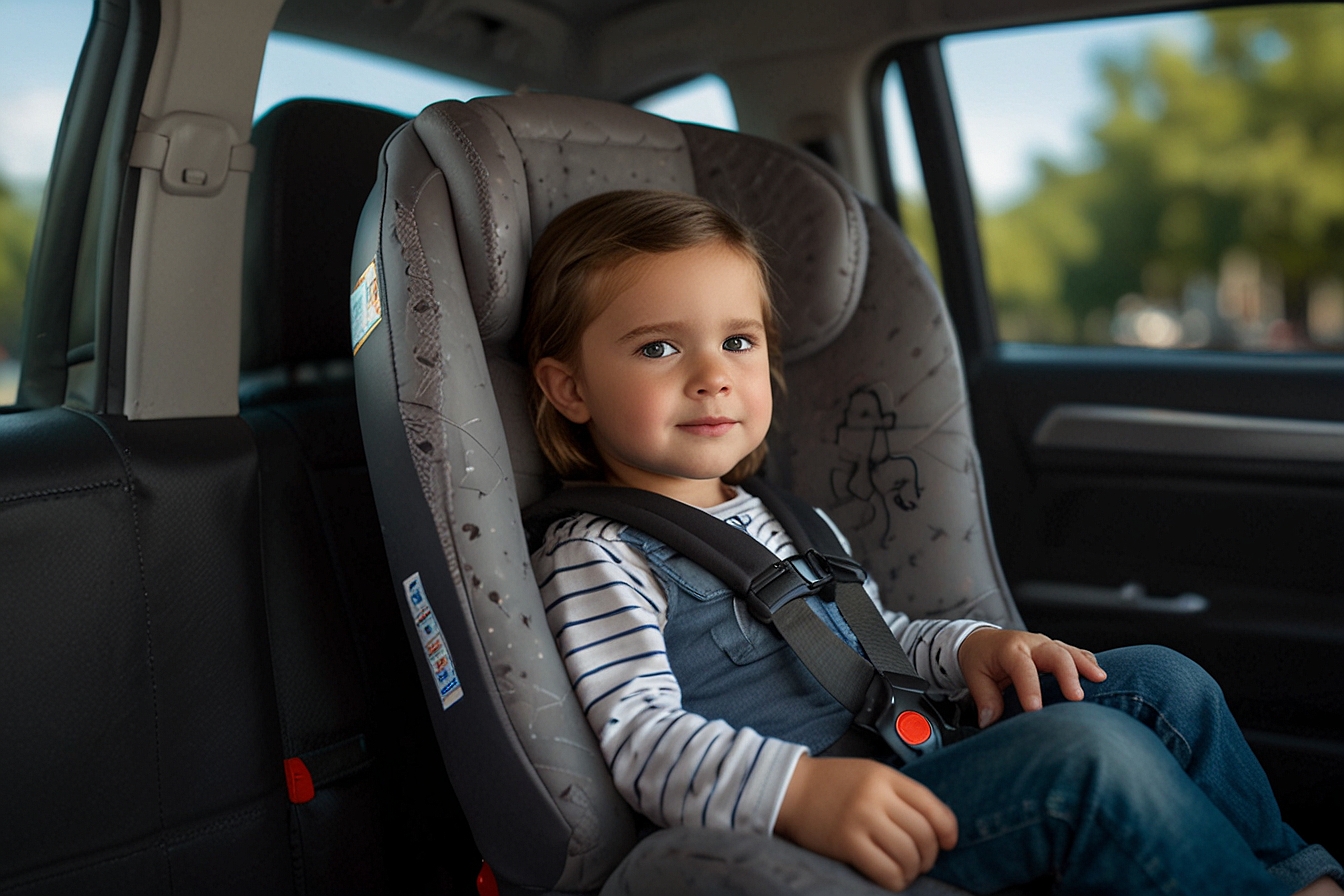
South Carolina drivers transporting children under eight years of age must comply with strict child passenger restraint requirements under state law. These rules, codified in the South Carolina Code of Laws, prioritize child safety by mandating age- and size-appropriate restraints while emphasizing proper installation and positioning. With no substantive amendments to the core statute since its 2017 update, the requirements remain in full effect for 2026, applying to passenger cars, pickup trucks, vans, and recreational vehicles on public highways and streets.
The law balances enforceable standards with practical flexibility, such as medical exceptions and limited front-seat allowances. Violations carry a maximum fine of $150, often waivable upon proof of compliance. This article provides a clear, statute-based explanation of the requirements, their real-world application, and safety context for drivers, parents, and guardians seeking compliance.
Background & Legal Context
South Carolina’s child passenger restraint system law originated in the early 1980s and underwent significant modernization through legislative action. The current framework stems primarily from 2017 amendments (Act No. 78), which raised the age threshold to eight years and introduced the 57-inch height criterion while aligning with National Highway Traffic Safety Administration (NHTSA) federal performance standards.
The South Carolina General Assembly enacted these updates following data showing that properly restrained children face dramatically lower injury risks in crashes. The statute appears in Title 56, Chapter 5, Article 47 of the South Carolina Code of Laws, specifically Sections 56-5-6410 through 56-5-6450. Enforcement occurs through routine traffic stops by state and local law enforcement, with cases typically resolved via magistrate or municipal court proceedings. The South Carolina Department of Public Safety (SCDPS) administers public education and inspection programs to support compliance.
Unlike some states that tie requirements strictly to weight, South Carolina’s law integrates age, height, manufacturer limits, and belt-fit criteria, reflecting a hybrid approach common in modern child passenger safety statutes.
Key Legal Issues Explained
The statute imposes graduated obligations on every driver transporting a child under eight years of age. Compliance hinges on four sequential stages, each tied to specific seat types and positioning rules. All restraints must meet or exceed NHTSA standards at the time of manufacture.
Rear-Facing Child Passenger Restraint System An infant or child under two years of age must ride in a rear-facing seat in a rear passenger seat until the child exceeds the manufacturer’s height or weight limit for that specific restraint. This stage protects the child’s developing neck and spine during frontal impacts. The law prohibits premature transition even if the child reaches age two early.
Forward-Facing Child Passenger Restraint System with Harness A child who is at least two years old—or under two but has outgrown the rear-facing limits—must use a forward-facing seat with an internal harness, again in a rear passenger seat. Transition occurs only after the child exceeds the highest height or weight limits specified by the forward-facing seat manufacturer.
Belt-Positioning Booster Seat Once a child reaches at least four years of age and has outgrown the forward-facing harnessed seat, the driver must secure the child in a belt-positioning booster seat in a rear seat. The booster elevates the child so that the vehicle’s lap-and-shoulder belt fits correctly. Use of a lap belt alone is expressly prohibited. The booster requirement continues until the child meets the adult belt criteria below.
Adult Safety Seat Belt A child may graduate to the vehicle’s adult lap-and-shoulder belt only when both of the following are satisfied: (1) the child is at least eight years old or at least 57 inches tall, and (2) the belt fits properly according to three statutory tests—lap belt across thighs and hips (not abdomen), shoulder belt across center of chest (not neck), and the child sits with back straight against the seat back, knees bent over the seat edge without slouching.
Rear-Seat Mandate and Exceptions Whenever a rear passenger seat is available and not occupied by other children under eight, the restrained child must ride in the rear. Front-seat transport is permitted only if the vehicle lacks a rear seat entirely or if all rear positions are occupied by other qualifying children. In such cases, the child must still use the appropriate restraint type.
Medical exceptions allow specialized restraints when substantiated by written documentation from a physician, advanced nurse practitioner, or physician assistant. Taxis, emergency vehicles in active emergencies, church/day-care/school buses, public transportation, and commercial vehicles are exempt from the article.
Latest Developments or Case Status
As of March 2026, no legislative changes have altered the core requirements of § 56-5-6410. The 2017 amendments remain controlling law. A federal manufacturing rule requiring enhanced side-impact protection for car seats produced after June 30, 2025, affects new purchases but does not modify South Carolina’s enforcement standards. SCDPS continues to emphasize the statute through ongoing public education campaigns and free car-seat inspection events at certified technicians. No appellate court decisions or regulatory rulemaking have modified interpretation of the age, height, or positioning rules in recent years.
Who Is Affected & Potential Impact
The law directly applies to any driver, parent, grandparent, guardian, rideshare operator (except taxis), or other adult operating a covered vehicle with a child under eight years old. Non-compliance typically results in a traffic citation during a stop for any moving violation or at checkpoints. Real-world consequences include:
- A fine of up to $150 per violation.
- Court discretion to waive the fine entirely upon timely proof of purchasing, renting, or acquiring a compliant restraint system.
- No points assessed against the driver’s license, but the citation remains a public record.
For families, repeated violations can surface in family court proceedings, such as custody or child-welfare matters. Businesses operating passenger vehicles (outside the exempted categories) face the same obligations. The primary public-health impact is preventive: proper use of approved restraints reduces the risk of serious injury or fatality in crashes, a fact documented through NHTSA crash data referenced by SCDPS.
What This Means Going Forward
The stability of South Carolina’s car seat law since 2017 provides predictability for drivers while underscoring the importance of ongoing education. Parents and caregivers should continue to follow manufacturer guidelines for each individual seat, as these often exceed the statutory minimums. SCDPS and NHTSA strongly recommend keeping children rear-facing as long as possible within seat limits and in the back seat until at least age 13 for optimal protection—recommendations that exceed the legal floor but align with best-practice safety data.
Drivers should monitor the South Carolina General Assembly for any future bills and obtain free seat inspections through SCDPS-certified technicians or local fire departments. Proper installation remains the most common point of failure in real-world enforcement encounters.
Frequently Asked Questions
When does a child no longer need a booster seat in South Carolina?
A child may use an adult seat belt once they reach at least eight years of age or 57 inches in height and the belt fits according to the three statutory criteria (lap belt on hips/thighs, shoulder belt on chest, proper seated posture). Until then, a booster is required after outgrowing a forward-facing harnessed seat.
Can a seven-year-old ride in the front seat under SC car seat laws?
Only if the vehicle has no rear passenger seat or if all rear seats are occupied by other children under eight. Otherwise, the child must ride in the rear using the appropriate restraint.
What is the penalty for violating SC car seat laws?
A maximum fine of $150. Courts routinely waive the fine if the driver provides proof of acquiring a compliant restraint system before or at the court appearance date.
Does the law require rear-facing seats beyond age two?
Yes. Any child under two or older if still within the manufacturer’s rear-facing limits must remain rear-facing. The statute defers to the specific seat’s height and weight ratings.
Are rideshare drivers subject to the same requirements?
Yes, unless operating a taxi (which is exempt). All other drivers, including those using personal vehicles for paid transport, must follow § 56-5-6410 when carrying children under eight.
How do I know if my child’s seat meets legal standards?
The seat must bear a label confirming compliance with NHTSA federal motor vehicle safety standards at the time of manufacture. Always follow the seat manufacturer’s instructions for height, weight, and installation.
Conclusion
South Carolina’s car seat laws establish clear, enforceable standards designed to protect the youngest passengers through graduated restraint requirements tied to age, height, and proper fit. By mandating rear-facing, forward-facing, booster, and adult-belt stages combined with a strong rear-seat preference—the statute reflects decades of safety research and legislative refinement. Drivers who understand and follow these rules not only avoid citations and waivable fines but also contribute to the state’s broader traffic safety goals.
For the most current guidance, consult the South Carolina Department of Public Safety website or schedule a free car-seat inspection with a certified technician. This article is for informational purposes only and does not constitute legal advice. Laws can be subject to interpretation in specific circumstances; individuals should review the full text of S.C. Code § 56-5-6410 and consult qualified legal counsel or law enforcement for advice tailored to their situation. Staying informed through official state channels remains the best way to ensure compliance and child safety on South Carolina roads.
You May Also Like: Texas Renters Rights: 2026 Guide to Laws & New Eviction Rules