
 By Rightful Advice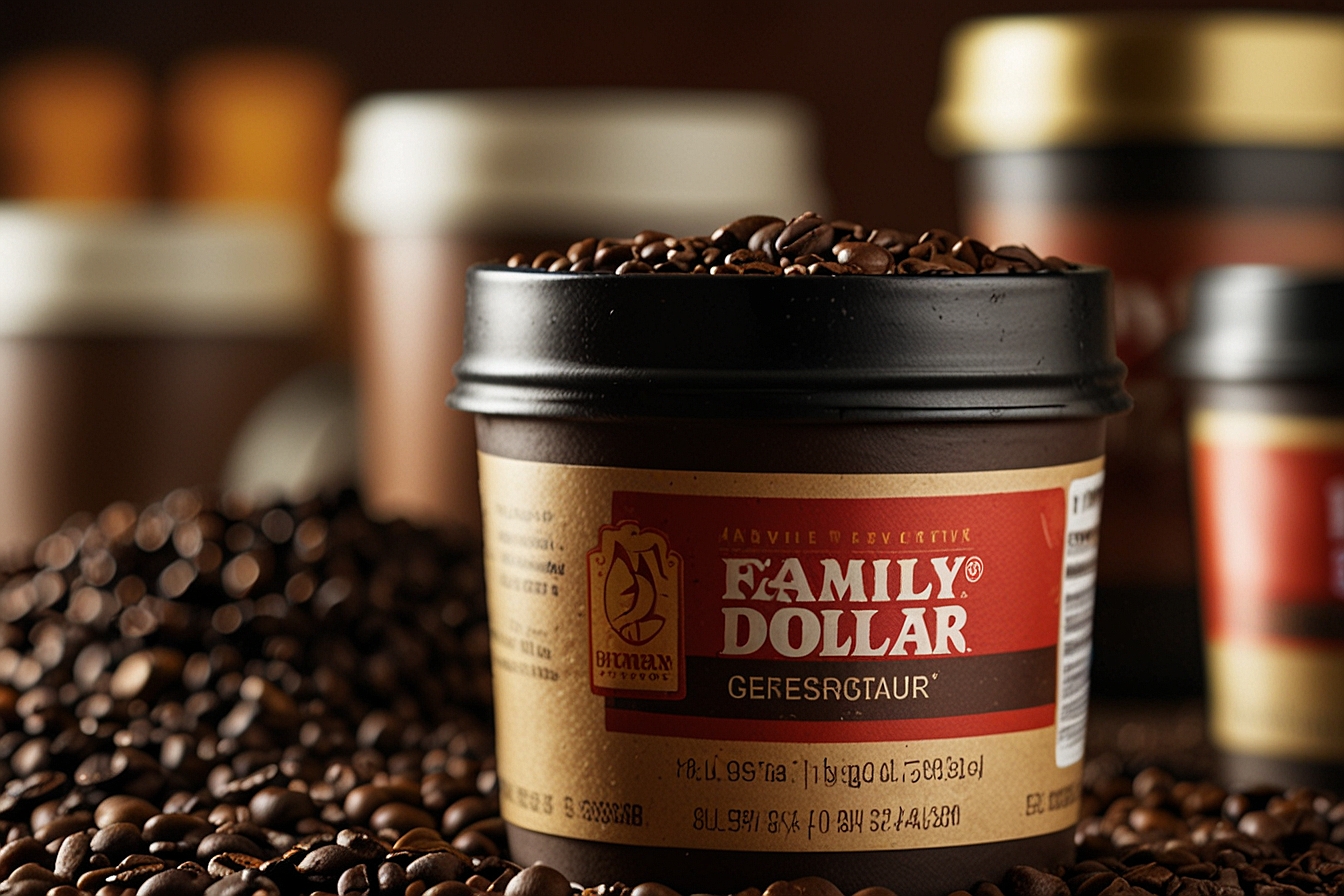
Introduction
The family dollar ground coffee lawsuit settlement stems from a class action case alleging misleading labeling on certain coffee products sold at Family Dollar stores. This settlement, reached in 2025, addresses claims that the packaging overstated the number of cups of coffee. It could be brewed from the contents, potentially deceiving consumers about the product’s value. As of early 2026, the settlement has progressed through court approval, and eligible class members who submitted timely claims have begun receiving or have received their benefits in the form of product vouchers.
This development matters for consumers who purchased affected products. It provides a form of restitution without requiring proof of purchase. It also highlights broader consumer protection issues under state deceptive trade practices laws. Those impacted include millions of shoppers across the United States who bought Family Dollar’s proprietary brand ground coffee between 2019 and 2025. With the claim deadline passed, the focus now shifts to voucher distribution and redemption processes.
Background & Legal Context
The lawsuit, formally known as Tangela Williams, et al. v. Family Dollar Stores, LLC, Case No. CV-2021-900022.00, was filed in the Circuit Court of Barbour County, Alabama, Eufaula Division. Plaintiffs alleged that Family Dollar’s Chestnut Hill ground coffee products, among others, were falsely advertised as yielding more cups than they actually could when following the on-package brewing instructions. This claim invoked Alabama’s Deceptive Trade Practices Act and similar consumer protection statutes, which prohibit misleading representations in product marketing.
Class action lawsuits like this often arise from common consumer complaints about slack-fill or overstated product yields, drawing on precedents from cases handled by the Federal Trade Commission (FTC) and state attorneys general. For instance, the FTC has long enforced guidelines under Section 5 of the FTC Act against deceptive packaging that misleads reasonable consumers. In this case, the plaintiffs sought injunctive relief to change labeling practices and compensatory damages for affected buyers.
The case progressed through discovery and mediation, culminating in a proposed settlement agreement in late 2024. Preliminary approval was granted by the court on April 15, 2025, certifying a nationwide class and establishing notice procedures to inform potential class members. This step followed standard class action protocols under Alabama Rules of Civil Procedure. And it mirroring Federal Rule of Civil Procedure 23, which requires settlements to be fair, reasonable, and adequate.
Key Legal Issues Explained
At the heart of the family dollar ground coffee lawsuit settlement are issues of false advertising and consumer deception. “False advertising” refers to any representation that is likely to mislead a reasonable consumer and is material to their purchasing decision. In plain English, this means if the label says a container makes 300 cups but actually yields far fewer based on standard brewing, it could violate consumer rights.
The settlement requires Family Dollar to revise its labeling. Either by removing cup-yield claims or ensuring they align with third-party lab testing results. This injunctive relief aims to prevent future violations, aligning with regulatory frameworks like the FTC’s Endorsement Guides, which demand substantiation for product claims.
Consumers’ rights in such cases include the ability to join class actions without individual lawsuits, streamlining resolution through collective bargaining. Responsibilities for defendants like Family Dollar involve cooperating with settlement administration, funding the agreement, and complying with court orders. Implications extend to product liability law, where companies must ensure accurate representations to avoid liability under warranty theories or strict liability standards.
Latest Developments or Case Status
The final approval hearing occurred on July 21, 2025, in the Barbour County Circuit Court. where the judge reviewed objections, fairness, and adequacy. With no significant objections reported, the court granted final approval, allowing the settlement to proceed. This marked the end of the opt-out and objection period, binding all class members who did not exclude themselves.
Post-approval, the settlement administrator, Epiq Global, processed claims submitted by the July 21, 2025, deadline. As of March 2026, voucher distribution is complete or nearing completion for valid claims. Any appeals would have delayed this, but none were filed, enabling timely implementation. Recent announcements on the official settlement website confirm that deadlines have passed, shifting focus to fulfillment.
Who Is Affected & Potential Impact
The class includes anyone in the United States who purchased Family Dollar proprietary brand ground coffee products, such as Chestnut Hill Classic Roast in 33.9-oz, 11.3-oz, 10.3-oz, or 9.6-oz sizes, from January 1, 2019, to April 15, 2025. This encompasses everyday consumers seeking affordable groceries, particularly in low-income areas where Family Dollar operates.
Potential outcomes include receiving a voucher redeemable for one 9.6-oz container of Chestnut Hill ground coffee, valued at approximately $3-5 retail. If claims exceeded expectations, vouchers may have been prorated, though reports indicate full value was maintained due to moderate participation. For businesses, the settlement underscores the cost of non-compliance, with Family Dollar agreeing to an $800,000 fund covering vouchers, administration (up to $214,500), attorneys’ fees (up to $266,667), and service awards ($2,000 each to class representatives).
Consequences ripple to the retail industry, encouraging accurate labeling to avoid similar litigation, as seen in precedents. It’s like the FTC’s actions against food manufacturers.
What This Means Going Forward
This settlement reinforces consumer protection standards, potentially influencing how retailers substantiate product claims. Legally, it affirms the viability of class actions for labeling disputes, drawing on Supreme Court precedents like Wal-Mart Stores, Inc. v. Dukes (2011) for class certification requirements.
For the public, it means greater transparency in everyday products, reducing the risk of overpaying due to misleading info. Readers should monitor similar cases through resources like the FTC’s consumer complaint database or state attorney general offices. Family Dollar’s required labeling changes, effective post-settlement, will likely appear on shelves by mid-2026, benefiting future purchasers.
Frequently Asked Questions
What is the Family Dollar ground coffee lawsuit settlement about?
The settlement resolves claims that Family Dollar’s ground coffee products, including Chestnut Hill brands, were misleadingly labeled to overstate the number of brewable cups, violating deceptive trade laws.
Who qualifies for the settlement benefits?
U.S. residents who bought qualifying Family Dollar ground coffee products between January 1, 2019, and April 15, 2025, and submitted a claim by July 21, 2025.
What is the 2026 payout status for the settlement?
As of March 2026, vouchers have been distributed to approved claimants following final approval in July 2025. If you haven’t received yours, contact the settlement administrator at 1-888-721-0116 or via the official website.
Do I need proof of purchase to claim?
No, proof was not required for the single-voucher benefit per household.
How do I redeem the voucher?
Vouchers are redeemable at any Family Dollar store for one 9.6-oz Chestnut Hill ground coffee container. Check expiration dates upon receipt; they are typically valid for several months.
Was the settlement approved?
Yes, final approval was granted on or around July 21, 2025, by the Alabama court.
Conclusion
The family dollar ground coffee lawsuit settlement represents a key win for consumer rights, providing restitution and prompting labeling reforms. With payouts in the form of vouchers now distributed in 2026.Also affected individuals can redeem their benefits while the industry takes note of enhanced accountability. Stay informed on legal developments through reputable sources like court dockets or consumer advocacy groups. This article is for informational purposes only and does not constitute legal advice; consult a qualified attorney for personal guidance.
You May Also Like: AT&T Class Action Lawsuit 2026: Settlement Payout Status & Updates