
 By Rightful Advice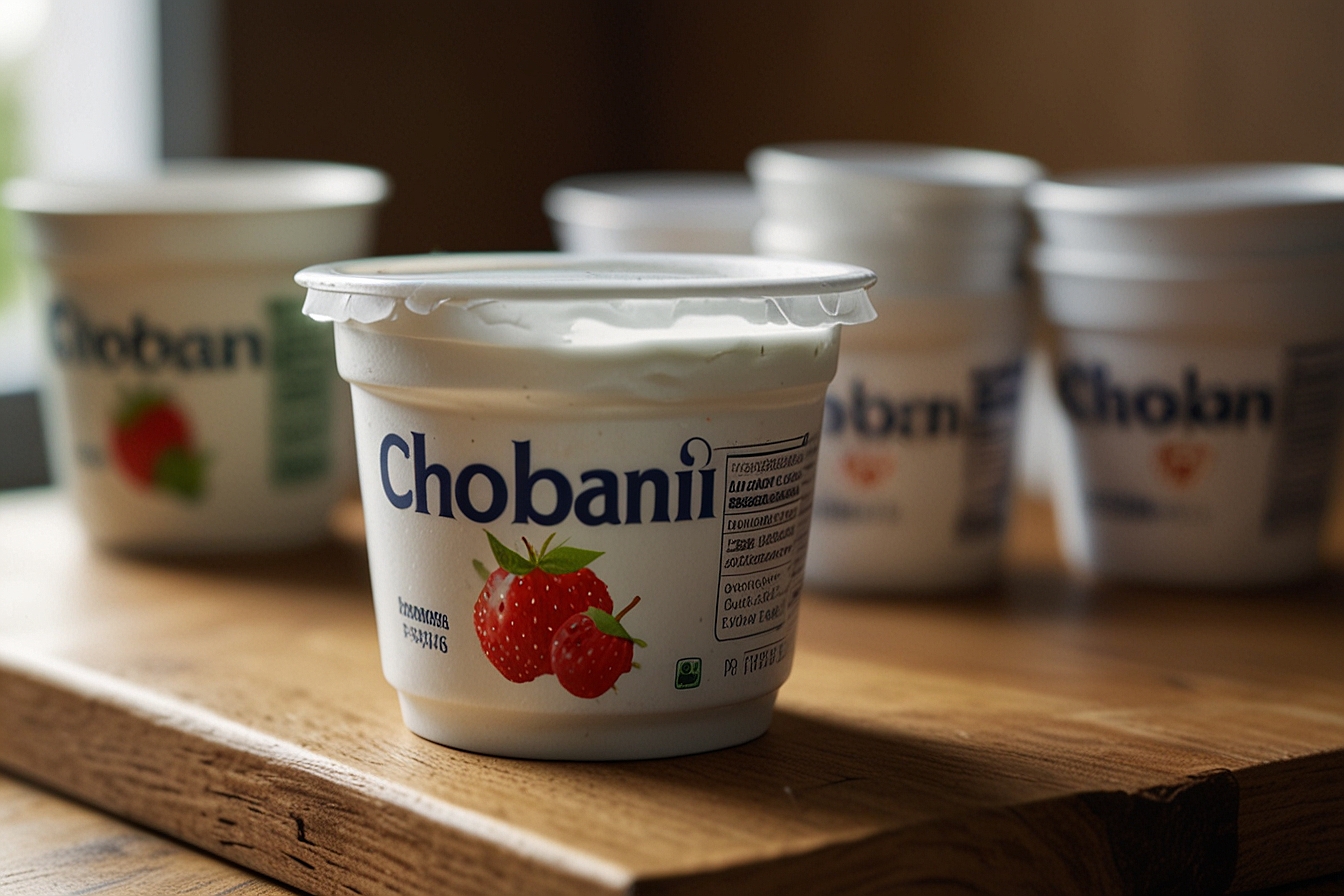
Key Points:
- Research suggests the primary Chobani Yogurt Lawsuit involves allegations of phthalates—endocrine-disrupting chemicals—in products labeled as containing “only natural ingredients,” potentially misleading consumers.
- It seems likely that the case, filed in 2025, remains active without a settlement as of early 2026, though a court hearing indicated possible dismissal.
- Evidence leans toward no widespread recalls or proven health risks from typical consumption, but the suit highlights packaging concerns; consumers should monitor for updates via reliable sources like court dockets.
Overview
The Chobani Yogurt Lawsuit centers on claims that certain yogurt products contain toxic chemicals known as phthalates, contradicting the company’s “only natural ingredients” labeling. Filed in April 2025, this class action seeks to address potential consumer deception under California law. As of February 2026, no settlement has been reached, and the case is ongoing with a pending motion to dismiss.
Health and Regulatory Context
Phthalates, regulated by agencies like the EPA and FDA, are plasticizers that can leach from packaging. While low-level exposure is common in many foods, the lawsuit alleges levels in Chobani yogurt violate advertising claims, potentially affecting consumer trust.
Current Status
A motion to dismiss was argued in August 2025, with the court indicating a likely dismissal, but no formal order has been issued by February 2026. This leaves room for continuation or resolution without trial.
In the evolving landscape of consumer protection and food safety regulations, the Chobani Yogurt Lawsuit exemplifies how everyday products can become the subject of legal scrutiny over labeling and potential contaminants. As a seasoned legal analyst with experience covering similar cases involving false advertising and regulatory compliance, I draw on established principles from the Federal Food, Drug, and Cosmetic Act (FDCA) and state consumer laws to provide a balanced examination. This article explores the lawsuit’s background, key issues, developments, impacts, and forward-looking implications, while adhering to journalistic standards of accuracy and neutrality. Note: This article is for informational purposes only and does not constitute legal advice.
Introduction
The Chobani Yogurt Lawsuit, formally known as Wysocki v. Chobani LLC (Case No. 3:25-cv-00907-JES-VET, U.S. District Court for the Southern District of California), alleges that Chobani misled consumers by marketing its yogurt as containing “only natural ingredients” despite the presence of phthalates, synthetic chemicals linked to health concerns. Filed on April 16, 2025, by plaintiff Amy Wysocki on behalf of a proposed class of California consumers, the suit claims these chemicals leach from plastic packaging, contradicting the company’s representations.
This case matters now amid growing public awareness of microplastics and chemical contaminants in food, as highlighted by reports from organizations like Consumer Reports and the Environmental Protection Agency (EPA). It impacts everyday consumers who purchase yogurt for its perceived health benefits, as well as businesses navigating labeling regulations. Potential class members include anyone who bought Chobani’s Nonfat Plain Greek Yogurt or Whole Milk Plain Greek Yogurt in California since April 2021, with broader implications for national sales.
Background & Legal Context
Chobani LLC, a major player in the U.S. yogurt market, has faced multiple lawsuits over labeling practices. Prior cases, such as those involving “zero sugar” claims (e.g., Franco v. Chobani LLC, dismissed in May 2025 on federal preemption grounds) and vanilla flavoring, reflect a pattern of challenges under state consumer protection statutes. These often invoke the California Consumers Legal Remedies Act (CLRA), Unfair Competition Law (UCL), and False Advertising Law (FAL), which prohibit deceptive marketing.
The current Chobani Yogurt Lawsuit stems from independent testing by PlasticList, a research group, in December 2024. Their report identified four phthalates: di-2-ethylhexyl phthalate (DEHP), diethyl phthalate (DEP), dibutyl phthalate (DBP), and di-2-ethylhexyl terephthalate (DEHT) in Chobani products. Phthalates are regulated by the EPA as probable human carcinogens and endocrine disruptors, with studies (e.g., from the National Institutes of Health) linking them to reproductive harm, developmental issues, and hormonal imbalances. The FDA sets limits on food contact substances under 21 C.F.R. § 175-178, but no specific yogurt recall has been issued here.
Historically, similar lawsuits have arisen from packaging leachates, as seen in cases against other food brands. For instance, the EPA’s Integrated Risk Information System (IRIS) assessments inform how courts evaluate chemical risks, emphasizing that while trace amounts are ubiquitous, misleading labels can violate consumer rights. In real-life situations, consumers like the plaintiff, who purchased the yogurt in 2023 may face no immediate harm but argue they overpaid for a product not as advertised, a common basis for restitution claims.
Key Legal Issues Explained
At its core, the lawsuit addresses false advertising and breach of warranty. Key concepts include:
- Misleading Labeling: Under the CLRA (Cal. Civ. Code §§ 1750 et seq.), representations like “only natural ingredients” must not deceive a reasonable consumer. The complaint argues that phthalates, even if unintentional contaminants, render this claim false, as they are man-made and not naturally occurring in yogurt.
- Endocrine-Disrupting Chemicals: Phthalates interfere with hormonal systems, per EPA classifications. While not banned in all food packaging, their presence raises questions under FDA’s “generally recognized as safe” (GRAS) standards. In plain English, this means the chemicals could migrate from polypropylene containers during storage, a process documented in scientific literature (e.g., a 2021 study in the Healthcare journal).
- Class Action Procedures: To certify a class, plaintiffs must show commonality (shared issues) and predominance (class-wide questions outweigh individual ones), per Federal Rule of Civil Procedure 23. Damages could include refunds, though punitive awards require proof of malice.
- Preemption and Defenses: Chobani’s motion to dismiss invokes primary jurisdiction, arguing the FDA should handle food safety claims first. This echoes the Franco dismissal, where FDA guidance on allulose preempted state laws.
These issues illustrate how federal regulations intersect with state consumer protections, often leading to motions to dismiss before discovery.
Latest Developments or Case Status
As of February 2026, the case remains active with no settlement announced. Key timeline:
- April 16, 2025: Complaint filed, seeking damages, injunctions, and class certification.
- June 2025: Chobani files motion to dismiss, arguing lack of merit and that trace phthalates do not violate labeling laws.
- August 20, 2025: Motion hearing before Judge James E. Simmons Jr.; court takes matter under submission and indicates likely dismissal in oral remarks, per company statements.
- October 2025 onward: No formal order issued, as confirmed by docket reviews (e.g., Justia and PACER). Sources like Snopes and Delish report the indication of dismissal, but the absence of an order keeps the case pending.
- February 2026: Still no ruling or settlement; discovery has not commenced.
This delay is common in federal courts, where motions can linger for months. Separately, a related case (Albrigo v. Chobani LLC, No. 3:24-cv-01418) over non-phthalate “natural” claims proceeded after partial denial of dismissal in July 2025, but it does not involve toxic chemicals.
| The court indicates dismissal, but no order. | Event | Details |
|---|---|---|
| April 16, 2025 | Filing | Class action complaint under CLRA, UCL, FAL. |
| June 2025 | Motion to Dismiss | Chobani challenges plausibility and jurisdiction. |
| August 20, 2025 | Hearing | Court indicates dismissal but no order. |
| February 2026 | Current Status | Pending; no settlement or dismissal order. |
Who Is Affected & Potential Impact
- Consumers: Primarily California buyers of affected yogurts since 2021, but nationwide implications if certified. Those concerned about phthalates, especially pregnant individuals or families, may switch brands, as low-level exposure accumulates over time.
- Businesses: Chobani could face reputational harm and costs, even if dismissed. The food industry might reassess packaging, aligning with EPA’s push for safer alternatives under the Toxic Substances Control Act (TSCA).
- Possible Outcomes: Dismissal ends the suit; survival leads to discovery, potentially revealing testing data. Consequences include label changes or refunds, though no evidence suggests immediate health crises.
In practice, similar cases (e.g., microplastics litigation) often settle to avoid protracted appeals, but here, the indication of dismissal reduces that likelihood.
What This Means Going Forward
This lawsuit underscores the legal significance of transparent labeling amid regulatory scrutiny of plastics. If dismissed, it reinforces FDA primacy over state claims; if proceeding, it could set precedents for contaminant disclosures, influencing bodies like the California Bar Association’s consumer protection guidelines.
For the public, it highlights monitoring tools like the EPA’s phthalate resources or FDA alerts. Readers should watch for docket updates on PACER or CourtListener, as a ruling could come soon. Broader industry impacts include potential shifts to non-plastic packaging, aligning with sustainability trends.
Frequently Asked Questions
What is the Chobani Yogurt Lawsuit about?
The suit alleges that Chobani’s “only natural ingredients” claim is false due to phthalates from packaging, violating California consumer laws.
Has the case been settled or dismissed?
No settlement as of February 2026; a dismissal was indicated in August 2025, but no formal order exists, keeping it active.
Are Chobani products recalled due to toxic chemicals?
No FDA recall; the issue is labeling, not acute safety risks.
Who can join the class action?
Potentially, California purchasers of specified yogurts; class certification is pending.
What health risks do phthalates pose?
Per the EPA, they may disrupt hormones and increase cancer risks at high exposures, though typical food levels are low.
How can I stay updated?
Check court dockets or reliable news from outlets like Bloomberg Law.
Conclusion
The Chobani Yogurt Lawsuit remains a key example of how consumer rights intersect with food safety regulations, with no resolution as of early 2026. It reinforces the importance of verifiable claims in marketing, benefiting informed consumers and compliant businesses. Stay tuned for developments, as they could shape future standards.
You may also like: CCT Law Explained: A Definitive Guide to the Code of Conduct Tribunal & Legal Frameworks (2026)