
 By Rightful Advice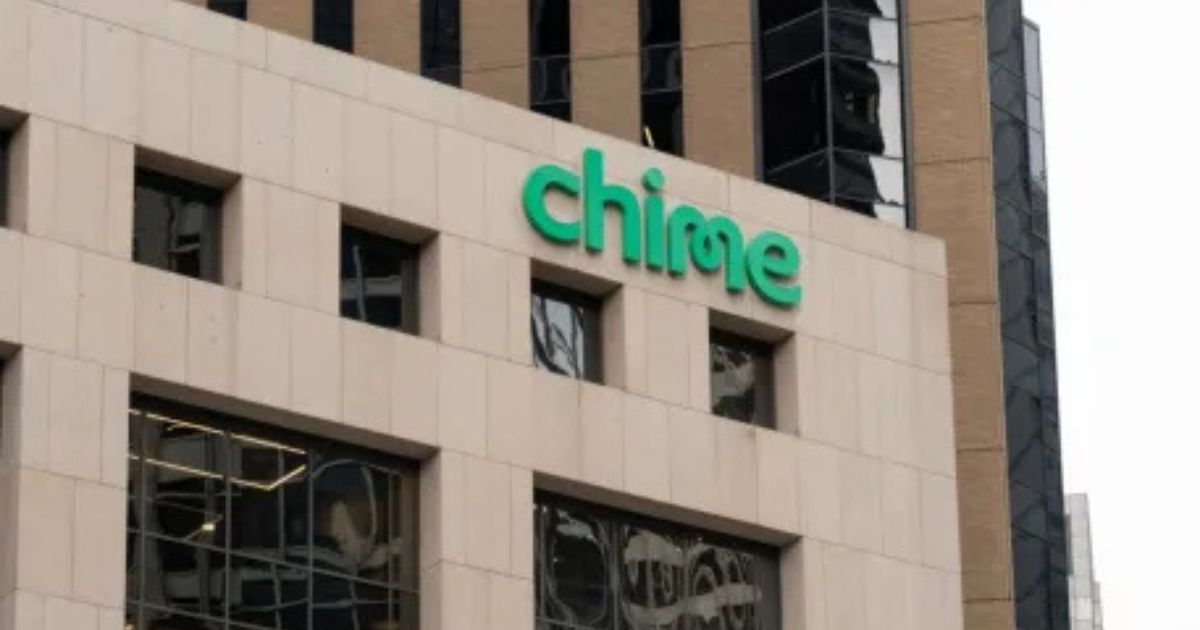
Chime Financial, Inc., a financial technology company that provides checking and savings accounts through FDIC-insured partner banks, has been subject to regulatory enforcement and consumer class action litigation in recent years. In May 2024, the Consumer Financial Protection Bureau (CFPB) entered a consent order requiring Chime to pay at least $1.3 million in redress to consumers harmed by delayed refunds on closed accounts, along with a $3.25 million civil money penalty. This regulatory resolution, frequently discussed in consumer forums as the Chime settlement, addresses violations of the Consumer Financial Protection Act of 2010.
As of May 2026, additional class action lawsuits remain pending in federal court, including claims related to an April 2026 data security incident and service outage. These developments matter to Chime account holders who may have experienced delayed access to funds or other issues. This article outlines the current status of known resolutions, eligibility criteria, potential payouts, and steps consumers should take, based on official regulatory records and court filings.
Background & Legal Context
Chime operates as a technology and marketing services provider rather than a chartered bank. It partners with FDIC-insured institutions to offer consumer deposit accounts, mobile app services, and related features. When consumers close their Chime checking or savings accounts, Chime policy has required issuance of refund checks for remaining balances (typically those over $1) within 14 days.
The CFPB investigation, concluded with the May 7, 2024 consent order, determined that Chime failed to meet this timeline in thousands of instances. In some cases, refunds were delayed beyond 90 days. The CFPB found these delays constituted unfair acts or practices under the Consumer Financial Protection Act of 2010, as they deprived consumers of timely access to their own funds, sometimes forcing reliance on high-cost credit or causing late fees and other financial harm.
Earlier regulatory actions provide additional context. In 2021, the California Department of Financial Protection and Innovation (DFPI) entered a settlement agreement with Chime requiring it to cease certain uses of banking terminology and clarify its role as a technology provider. A separate DFPI consent order in February 2024 addressed customer complaint handling practices and imposed a $2.5 million penalty. These actions reflect broader regulatory oversight of fintech compliance with consumer protection laws governing refunds, disclosures, and service standards.
Key Legal Issues Explained
The core issue in the CFPB matter involved Chime’s refund procedures for closed accounts. Federal consumer financial law requires entities like Chime to handle account closures and balance refunds in a manner that avoids unfair harm to consumers. The consent order enforces compliance with these standards and mandates corrective payments.
In pending class action litigation filed in 2026, plaintiffs allege negligence in data security and service availability following a reported cyber incident on or around April 1, 2026. Cases such as Castaneda et al. v. Chime Financial, Inc. (U.S. District Court for the Northern District of California, Case No. 3:26-cv-02924) claim that the incident led to temporary account access disruptions and potential exposure of personally identifiable information. These suits invoke state and federal privacy and consumer protection statutes but remain in early litigation stages with no approved settlement or class certification to date.
Legal proceedings of this nature typically follow standard federal court processes: complaint filing, potential motions to dismiss, discovery, class certification briefing, and, if applicable, settlement negotiations subject to judicial approval under Federal Rule of Civil Procedure 23.
Latest Developments or Case Status
The CFPB consent order became effective in May 2024. Chime is required to identify affected consumers using its internal records, calculate appropriate redress amounts, and distribute payments via mailed checks accompanied by explanatory notices. Compliance reporting to the CFPB is ongoing.
As of May 2026, no public updates indicate incomplete distributions, though individual consumers may contact Chime or file a complaint with the CFPB if they believe they qualify and have not received payment. Separate DFPI actions from 2021 and 2024 have been resolved through consent orders without consumer claims processes.
The 2026 class actions concerning the April data incident and related service disruptions are in preliminary stages. No preliminary or final settlement approval has been granted, and no claims administration process exists. An older class action settlement related to a 2019 service outage (Richards et al. v. Chime Financial Inc.) concluded years ago, with its claims deadline passing in 2021.
Who Is Affected & Potential Impact
Consumers potentially eligible for redress under the CFPB consent order include those who:
- Held a Chime checking or savings account closed between January 1, 2018, and the effective date of the order.
- Were entitled to an automatic refund of a balance of $1 or more.
- Did not receive the refund check within 14 days of account closure (and did not reopen the account).
Impact varies by individual circumstances. Those with unrefunded balances of $10 or more after the 14-day period generally qualify for at least $150 in redress or a calculated amount based on 30 percent annual interest on the delayed balance from day 14 onward, whichever is greater. Smaller balances may qualify for a minimum $25 payment.
For the pending 2026 class actions, any future settlement would likely define eligibility based on account holders affected by the April 2026 incident who experienced documented harm, such as inability to access funds or privacy concerns. Outcomes could include monetary payments or non-monetary relief, subject to court approval.
Businesses and partner banks may face indirect effects through heightened compliance expectations in the fintech sector.
What This Means Going Forward
These matters underscore the importance of timely account closure procedures and robust data security practices in digital banking. The CFPB order requires Chime to implement measures ensuring future refunds occur within a reasonable period. Industry-wide, regulators continue to scrutinize fintech compliance with consumer financial laws.
Consumers should retain records of account closures, refund timelines, and any related financial harm. Those affected by recent service disruptions may monitor official court dockets via PACER or reputable class action tracking resources for notices of any future settlement proposals. Regulatory agencies such as the CFPB and DFPI provide public enforcement updates.
This article is for informational purposes only and does not constitute legal advice. Readers should consult qualified counsel or relevant government agencies for advice specific to their situation.
Frequently Asked Questions
Who qualifies for payments under the Chime CFPB consent order?
Eligibility generally applies to consumers whose Chime accounts were closed on or after January 1, 2018, with an automatic refund balance of $1 or more that was not issued within 14 days. Chime identifies and contacts qualifying individuals directly using its records.
Do I need to file a claim form to receive Chime redress payments?
No. The CFPB consent order requires Chime to handle identification and distribution automatically. Consumers do not submit claims forms for this regulatory redress program.
What are the estimated payout amounts from the CFPB action?
Affected consumers with qualifying delayed balances of $10 or more generally receive at least $150, or 30 percent annual interest on the delayed amount from day 14, whichever is higher. Smaller balances may receive a minimum of $25. Exact amounts depend on individual account data.
Are there open claims for the 2026 Chime data incident lawsuits?
No. The class actions filed in April 2026 remain in early litigation. No settlement has been reached or approved, and no claims process or official settlement website exists at this time.
How can I check if I am affected by past Chime refund delays?
Review your account statements, closure confirmation emails, and any refund check records. If you believe you qualify and have not received payment, contact Chime customer service or submit a complaint through the CFPB website.
What should I do if I receive a notice about a potential Chime settlement?
Verify it comes from an official source, such as Chime, the CFPB, or a court-appointed claims administrator. Avoid sharing personal information with unsolicited third-party sites. Legitimate notices will provide clear instructions and contact details.
Conclusion
The CFPB consent order represents the primary resolved Chime settlement matter providing direct consumer redress for delayed account refunds. Pending 2026 class actions concerning data security and service outages continue to develop but have not yielded approved settlements or claims processes as of May 2026. Consumers impacted by these issues benefit from understanding their rights under consumer financial protection laws and monitoring official updates from regulators and courts. Staying informed through primary sources such as CFPB.gov and federal court records helps ensure timely awareness of any future developments.
You may also like: Is It Illegal to Eat an Orange in the Bathtub? Fact Check