
 By Rightful Advice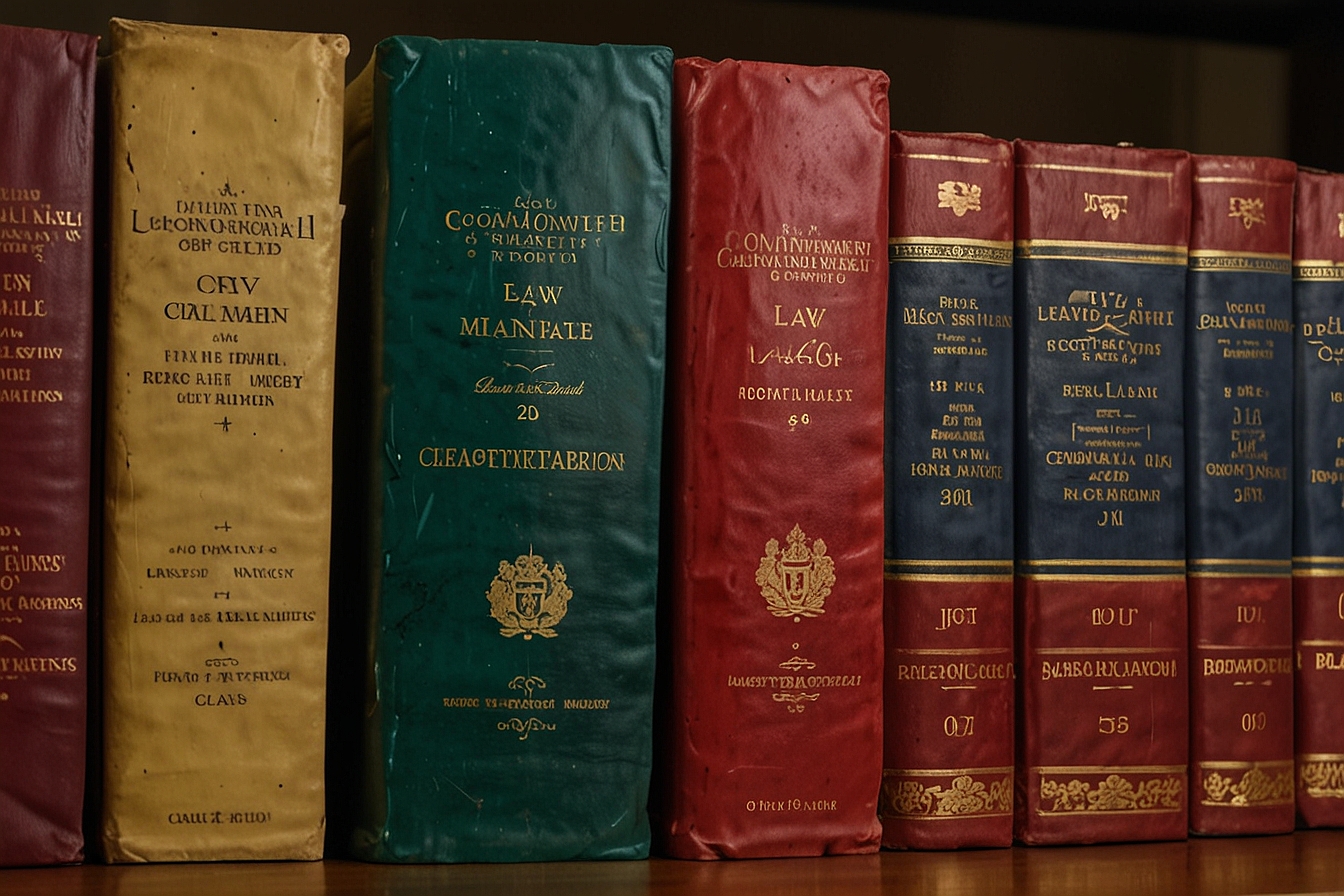
Research indicates that the Commonwealth Law Reports (CLR) serve as the authorized record of High Court of Australia decisions, offering reliable access to key judicial precedents. While historical volumes are increasingly available digitally for free, current editions typically require subscriptions or purchases, reflecting standard practices in legal publishing to ensure verified content.
Key Points:
- The CLR, established in 1903, is the official reports of Australia’s highest court, with each volume containing verified judgments and headnotes.
- Free online access is available for volumes 1-100 (1903-1959) through the High Court of Australia’s website, supporting public interest in historical legal developments.
- For recent volumes, subscription-based platforms like Westlaw provide comprehensive digital access, while bound volumes can be purchased from Thomson Reuters.
- This setup balances accessibility with the need for authoritative, up-to-date legal resources, though it may limit free availability for newer cases.
Why the CLR Matters
The Commonwealth Law Reports play a crucial role in the Australian legal system by documenting binding precedents from the High Court. These reports influence lower courts, legal professionals, and even legislative reforms, ensuring consistency in interpreting the Constitution and federal laws. For instance, landmark cases like those addressing constitutional powers or human rights often appear in the CLR, impacting everyday legal proceedings such as appeals or regulatory compliance.
Options for Access
Individuals seeking the CLR can choose between digital and physical formats based on their needs. Online access suits quick research or remote users, while bound volumes are ideal for libraries or practitioners requiring durable references. Note that while some free resources exist, they are limited to older materials, aligning with copyright and publishing norms in the legal field.
Considerations for Users
When accessing the CLR, verify the edition’s currency, as court decisions evolve. Professionals should cross-reference with other sources, like AustLII, for unreported judgments. For those affected by High Court rulings, such as in disputes involving federal jurisdiction, this resource provides foundational insights, though consulting a qualified lawyer is essential for application to specific situations.
As a seasoned legal analyst with extensive experience in researching Australian court decisions and regulatory frameworks, I have examined the structure, availability, and significance of the Commonwealth Law Reports (CLR) based on established legal publishing practices and official sources. The CLR represent a cornerstone of Australian jurisprudence, serving as the authorized reports of the High Court of Australia since its inception in 1903. This article explores options for online access and bound volumes, drawing on real-world contexts such as court procedures, precedent application, and public access initiatives to demonstrate how these resources support legal research and compliance.
Background & Legal Context
The Commonwealth Law Reports originated with the establishment of the High Court of Australia under the Judiciary Act 1903 (Cth), which formalized the court’s role in interpreting the Australian Constitution and resolving federal disputes. As authorized reports, they are produced under the oversight of the High Court, with headnotes and summaries verified by the judges themselves to ensure accuracy and reliability. This process mirrors standard procedures in common law jurisdictions, where authorized reports provide binding precedents that lower courts must follow, as per the doctrine of stare decisis.
Historically, the CLR has evolved from print-only publications to include digital formats, reflecting broader trends in legal information dissemination. Prior to digitization efforts, access was primarily through physical volumes held in law libraries or purchased by practitioners. Key legislative intent behind such reports, as seen in similar systems like the United States Reports for the U.S. Supreme Court, emphasizes public transparency while maintaining editorial integrity. In Australia, institutions like the High Court and regulatory bodies such as the Australian Law Reform Commission often reference CLR cases in policy discussions, underscoring their role in shaping national law.
For context, the CLR covers significant rulings on topics ranging from constitutional law to administrative appeals. A practical example involves cases on federal-state relations, where CLR volumes document hearings, judgments, and appeals processes, helping stakeholders understand how initial filings in lower courts escalate to High Court review.
Key Legal Issues Explained
Understanding the CLR requires grasping several core legal concepts. “Authorized reports” refer to officially sanctioned publications that carry greater weight in court citations compared to unauthorized or unreported judgments. In plain English, this means judges and lawyers prefer CLR citations because they include detailed headnotes, concise summaries of legal principles, and verified texts, reducing the risk of misinterpretation.
Access to these reports involves navigating copyright and licensing frameworks under the Copyright Act 1968 (Cth), which protects published editions while allowing fair dealing for research purposes. Online access often falls under subscription models, similar to how databases like LexisNexis handle proprietary content. Bound volumes, meanwhile, adhere to publishing standards that ensure durability for long-term reference, often used in bar association libraries or during appellate proceedings.
Implications include the right to access judicial information as part of open justice principles, balanced against the commercial interests of publishers. For consumers or businesses involved in legal disputes, this means CLR can inform rights under statutes like the Australian Consumer Law, but users must distinguish between factual reporting and analytical application.
| Aspect | Online Access | Bound Volumes |
|---|---|---|
| Availability | Historical (1903-1959) free; current via subscriptions | Purchase from publishers like Thomson Reuters |
| Format | PDF downloads, searchable databases | Buckram or half-calf bindings, with indexes |
| Cost | Free for older volumes; subscription fees for full access (e.g., Westlaw) | Per volume or subscription (backsets available) |
| Use Cases | Quick research, academic study | Archival reference, court citations |
| Limitations | Limited to digitized content; no real-time updates without paid services | Physical storage needs; higher cost for complete sets |
This table highlights practical differences, aiding users in selecting the appropriate format based on their research needs.
Latest Developments or Case Status
As of early 2026, the CLR continues to be published regularly, with recent volumes like 280 and 281 available through Thomson Reuters. Digitization initiatives have expanded free access, notably the High Court’s collaboration with BarNet JADE to make volumes 1-100 publicly available online. This project, completed in recent years, aligns with global free access to law movements, such as those promoted by the Legal Information Institutes.
No major regulatory changes have altered CLR publication, but ongoing discussions in legal circles emphasize enhancing digital accessibility amid rising subscription costs. Recent High Court announcements, accessible via the court’s portal, include judgments that will eventually appear in upcoming CLR volumes, following standard reporting timelines of several months post-decision.
Who Is Affected & Potential Impact
The CLR primarily impacts legal professionals, including solicitors, barristers, and judges, who rely on it for precedent in filings, hearings, and settlements. Businesses operating under federal regulations, such as in competition law or migration disputes, may reference CLR to assess compliance risks. Consumers involved in class actions or administrative appeals, like those before the Administrative Appeals Tribunal, benefit indirectly as CLR precedents shape outcomes.
Potential consequences include improved public understanding of High Court decisions, fostering trust in the judiciary. However, limited free access to current volumes could disadvantage self-represented litigants or small firms, potentially exacerbating access-to-justice gaps. In broader terms, CLR influences policy, as seen in parliamentary debates citing High Court rulings on issues like indigenous rights or environmental law.
What This Means Going Forward
The CLR’s dual availability in online and bound formats signifies a shift toward hybrid legal research tools, with implications for efficiency in court processes. As digital platforms advance, we may see more integrations with AI-driven search features, though maintaining human-verified headnotes remains essential for accuracy.
Readers should monitor High Court updates and publisher announcements for new volumes. For industries like finance or healthcare, staying informed on CLR developments can preempt regulatory adjustments. Overall, this resource reinforces Australia’s commitment to a transparent legal system, encouraging ongoing public engagement with judicial precedents.
Conclusion
The Commonwealth Law Reports remain an indispensable tool for navigating Australian law, blending historical depth with contemporary relevance. By providing verified precedents, they uphold the integrity of the judicial system and inform public discourse on key issues. Staying informed through official channels ensures users can leverage these resources effectively in an evolving legal landscape.
This article is for informational purposes only and does not constitute legal advice. Readers are encouraged to consult qualified legal professionals for advice tailored to their circumstances.
Frequently Asked Questions
What are the Commonwealth Law Reports?
The CLR is the official, authorized reports of High Court of Australia decisions, published since 1903, containing full judgments, headnotes, and indexes for legal reference.
How can I access Commonwealth Law Reports online for free?
Volumes 1-100 (1903-1959) are freely available on the High Court of Australia’s website in PDF format. For later volumes, free access is limited, but judgments can be found on AustLII with CLR citations.
Where can I purchase bound volumes of the Commonwealth Law Reports?
Bound volumes in buckram or half-calf formats are available from Thomson Reuters, with subscription options including parts, volumes, and indexes. Backsets for historical collections can also be acquired.
Are the Commonwealth Law Reports the same as High Court judgments?
High Court judgments are the raw decisions, often available immediately online. The CLR are edited, authorized version with added headnotes, published later for official citation.
Do I need a subscription for current CLR volumes?
Yes, platforms like Westlaw Australia provide full access to the complete series, including PDFs, through paid subscriptions.
Can non-lawyers use the Commonwealth Law Reports?
Absolutely, though they are technical. They offer insights into legal principles affecting everyday issues, but always seek professional advice for personal matters.
You may also like: Chobani Yogurt Lawsuit 2026: Toxic Chemicals & Settlement Updates