
 By Rightful Advice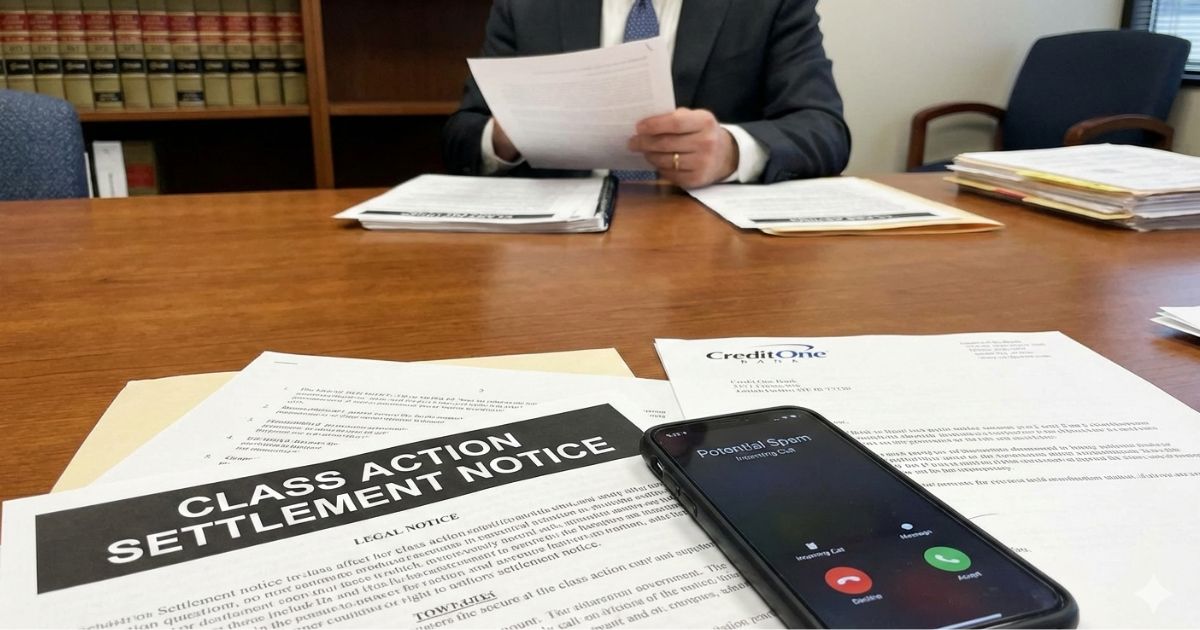
Have you ever picked up your phone to hear an automated voice from a bank you barely recognize, only to realize it is another unwanted call about debt or promotions? For many Credit One Bank customers, this scenario has sparked frustration and legal action. Reports of a potential Credit One bank robocalls settlement have circulated widely, promising payouts from a supposed $14 million fund under the Telephone Consumer Protection Act. But with conflicting information online, it is easy to feel confused or even scammed. This article cuts through the noise to explain the facts, eligibility questions, and legal context. We will explore the TCPA class action basics, guide you on verifying legitimate claims, and highlight red flags for phantom settlements that could lead to misinformation or fraud. Whether you are a former customer dealing with debt collection harassment or just curious about consumer rights litigation, our goal is to equip you with practical knowledge to protect your rights and avoid pitfalls.
Understanding the Telephone Consumer Protection Act
Picture this: your phone buzzes during dinner, and it is an automated call pushing credit card offers. Annoying, right? That is where the Telephone Consumer Protection Act, or TCPA, comes in. Passed in 1991, this federal law aims to shield consumers from unsolicited cell phone calls, texts, and faxes using automated dialing systems or prerecorded messages.
The TCPA sets strict rules for companies. For instance, they need your express written consent before bombarding you with marketing calls. Without it, each violation can lead to statutory damages of up to $500 per call, or $1,500 if proven willful. Why does this matter? It empowers everyday people to fight back against intrusive practices.
In practice, the TCPA has led to numerous class actions. Banks and debt collectors often face scrutiny for using automated systems in debt collection without proper permission. This framework forms the backbone of many consumer rights litigation cases, including those against Credit One Bank.
Key Provisions of the TCPA
What exactly counts as a violation? Here are the basics:
- Automated Dialing System: Tools that dial numbers without human intervention.
- Prerecorded Messages: Voices that sound real but are not live.
- Unsolicited Calls: Contacts to cell phones without prior consent.
Exceptions exist, like calls from charities or political groups. But for banks like Credit One, consent is crucial. If revoked, calls must stop promptly.
Recent updates, such as FCC rulings in 2024, tightened rules on lead generators sharing consents. These changes make it harder for companies to skirt the law.
History of Credit One Bank Robocall Allegations
Credit One Bank, known for credit cards aimed at rebuilding credit, has faced its share of consumer complaints. Over the years, customers have reported persistent calls about account balances or promotions, even after opting out.
One notable case dates back to 2017. A Georgia consumer filed a TCPA lawsuit, claiming harassing phone calls via autodialer without consent. The case, numbered 1:17-cv-03826-ELR in the U.S. District Court for the Northern District of Georgia, highlighted issues like repeated contacts despite do-not-call requests.
In 2018, another suit accused the bank of illegal text messages, violating privacy under the TCPA. Filed in federal court, it sought class status for affected consumers.
Fast forward to recent years. Reports in 2025 buzzed about a $14 million TCPA class action settlement for robocalls between 2014 and 2019. Outlets claimed eligibility for anyone receiving unsolicited calls, with payouts up to $1,000. But hold on: legal experts, including analyses from TCPA-focused sites, labeled this a phantom settlement.
Why the Phantom Label?
Investigations revealed no court filings or case numbers supporting the $14 million figure. Searches on PACER, the federal court database, turned up empty. Even Credit One’s legal team reportedly had no knowledge of such a deal. Many articles traced back to unverified Reddit posts or aggregated news, often confusing it with unrelated Credit One disputes over fees or credit reporting.
For example, a 2020 class action addressed express payment fees, not robocalls. That suit, filed in New York federal court (Case No. 7:20-cv-10003), alleged hidden charges but settled without the dramatic $14 million hype.
In November 2025, a new TCPA case (Ashford v. Credit One, 2025 WL 3254934) went to arbitration, showing ongoing issues but no mass settlement. This pattern suggests that while complaints persist, large-scale payouts remain unconfirmed.
Is the Credit One Bank Lawsuit Real?
You might have seen headlines screaming about a credit one bank robocalls settlement payout amount. But is the credit one bank lawsuit real? The answer is nuanced.
Real complaints exist. The Consumer Financial Protection Bureau database logs hundreds of grievances against Credit One for communication tactics, including unsolicited calls. In 2024 alone, over 500 reports mentioned phone harassment.
However, the viral $14 million story appears overstated. Trusted sources like ClassAction.org list older suits but no active $14 million deal. Top Class Actions once posted about it, but the page now leads to a 404 error, possibly due to verification issues.
Think about it: legitimate settlements involve court approval, a settlement administrator, and official notices. Without these, skepticism is wise. Experts suspect AI-generated content or viral misinformation fueled the buzz, blending facts from past cases with fiction.
Checking for Legitimacy
How can you tell? Start with official channels. Visit the FTC website (ftc.gov) for TCPA guidance. Search court records via PACER (pacer.uscourts.gov), though fees apply. If a settlement exists, it would have a dedicated site, like those run by administrators such as Epiq or Kroll.
Avoid sites promising quick cash without verification. If something feels off, it probably is.
Credit One Bank Robocalls Settlement Eligibility 2025
Assuming a settlement were real, who qualifies? Based on reported details from unverified sources, eligibility might include:
- Current or former Credit One customers.
- Anyone receiving unsolicited cell phone calls from the bank or its agents between 2014 and 2019.
- Non-customers dialed in error.
Proof could involve phone records showing calls from known Credit One numbers, like 877-825-3242.
But since no confirmed settlement exists in 2026, eligibility remains hypothetical. For past cases, deadlines have passed. If a new one emerges, watch for legal notice via mail or email.
Potential Exclusions
Not everyone fits. If you consented to calls in your account agreement, you might be out. Employees or those who opted out of class actions also get excluded.
How to File a Claim for Credit One Bank Settlement
Wondering how to file a claim for credit one bank settlement? If legitimate, the process is straightforward but requires caution.
First, locate the official site. Search for credit one bank settlement claim form official site through trusted legal directories, not random ads.
Steps typically include:
- Verify eligibility via the site’s questionnaire.
- Submit details: name, address, phone number affected.
- Provide evidence, like call logs or bills.
- Choose payout method, such as check or direct deposit.
Deadlines matter. Hypothetical reports mentioned mid-2025 cutoffs, but without confirmation, do not rush.
For real guidance, consult resources like our internal link on How to File a TCPA Claim. Externally, the FCC site (fcc.gov) offers complaint forms.
Common Pitfalls to Avoid
Do not pay upfront fees to file. Legit administrators handle it free. Beware phishing emails mimicking official notices. Always double-check URLs.
Credit One Bank TCPA Settlement Legit Check
Is the credit one bank tcpa settlement legit? Based on available data, the $14 million version raises red flags.
No final approval hearing records exist. Settlement administrators like JND Legal Administration would publicize if real. Instead, experts call it a mirage, possibly to drive traffic or scams.
Scammers exploit this. They might call claiming you won, then ask for personal info. Report to the FTC.
For peace of mind, monitor your credit report via AnnualCreditReport.com. If harassed, file a complaint with the CFPB (consumerfinance.gov).
Debt Collection Harassment and Your Rights
Beyond robocalls, Credit One faces flak for debt collection harassment. The Fair Debt Collection Practices Act complements the TCPA, banning abusive tactics like calling at odd hours.
If you experience this, document everything. Real-world example: a 2023 case against a similar bank awarded $1,000 per violation after proving harassment.
Seek help from consumer advocates. Groups like the National Consumer Law Center offer free resources.
Statutory Damages Explained
Under TCPA, damages start at $500 per call. Class actions pool these for larger funds, minus attorney fees (often 25-33 percent).
Navigating Consumer Rights Litigation
Consumer rights litigation levels the playing field. Class actions allow small claims to band together, pressuring companies.
Recent precedents, like a 2024 Supreme Court ruling on standing, make TCPA cases tougher but not impossible.
Stay informed via sites like Consumer Reports or our link to Understanding Class Action Basics.
Role of Settlement Administrator
In real deals, administrators manage notices, claims, and payouts. They ensure fairness under court oversight.
Unsolicited Cell Phone Calls: Prevention Tips
Tired of unsolicited cell phone calls? Register on the National Do Not Call Registry (donotcall.gov).
Block numbers via your carrier. Apps like RoboKiller help.
If calls persist, sue individually for up to $1,500 per violation. Small claims court is accessible.
Final Approval Hearing Process
A final approval hearing seals settlements. Judges review fairness, objections.
Without this, no payout. Check dockets for schedules.
Potential Payout Amounts
Hypothetical credit one bank robocalls settlement payout amount ranged from $20 to $1,000, depending on claims volume.
In reality, averages hover around $50-300 after deductions.
Spotting Phantom Settlement Scams
Phantom settlements lure with false hope. Signs: no case number, urgent deadlines, payment demands.
Verify via BBB or state attorneys general.
Real example: similar bank scams in 2024 tricked thousands.
Protect yourself by questioning viral news.
Broader Impact on Banking Practices
These allegations push banks toward better compliance. Credit One now emphasizes consent in agreements.
Industry-wide, TCPA fines exceed billions, encouraging ethical marketing.
Resources for Affected Consumers
Need help? Contact a consumer attorney via the National Association of Consumer Advocates (consumeradvocates.org).
File complaints with the FCC or FTC.
For internal guidance, see Avoiding Debt Collection Scams.
In summary, while Credit One Bank robocall allegations highlight real TCPA issues, the $14 million settlement story lacks solid backing. Focus on verified facts to safeguard your rights. If you suspect violations, document and report them promptly. For personalized advice, consult a qualified attorney to explore your options and potentially recover damages.
You May Also Like: Latest Honey Lawsuit: Marketers’ Guide