
 By Rightful Advice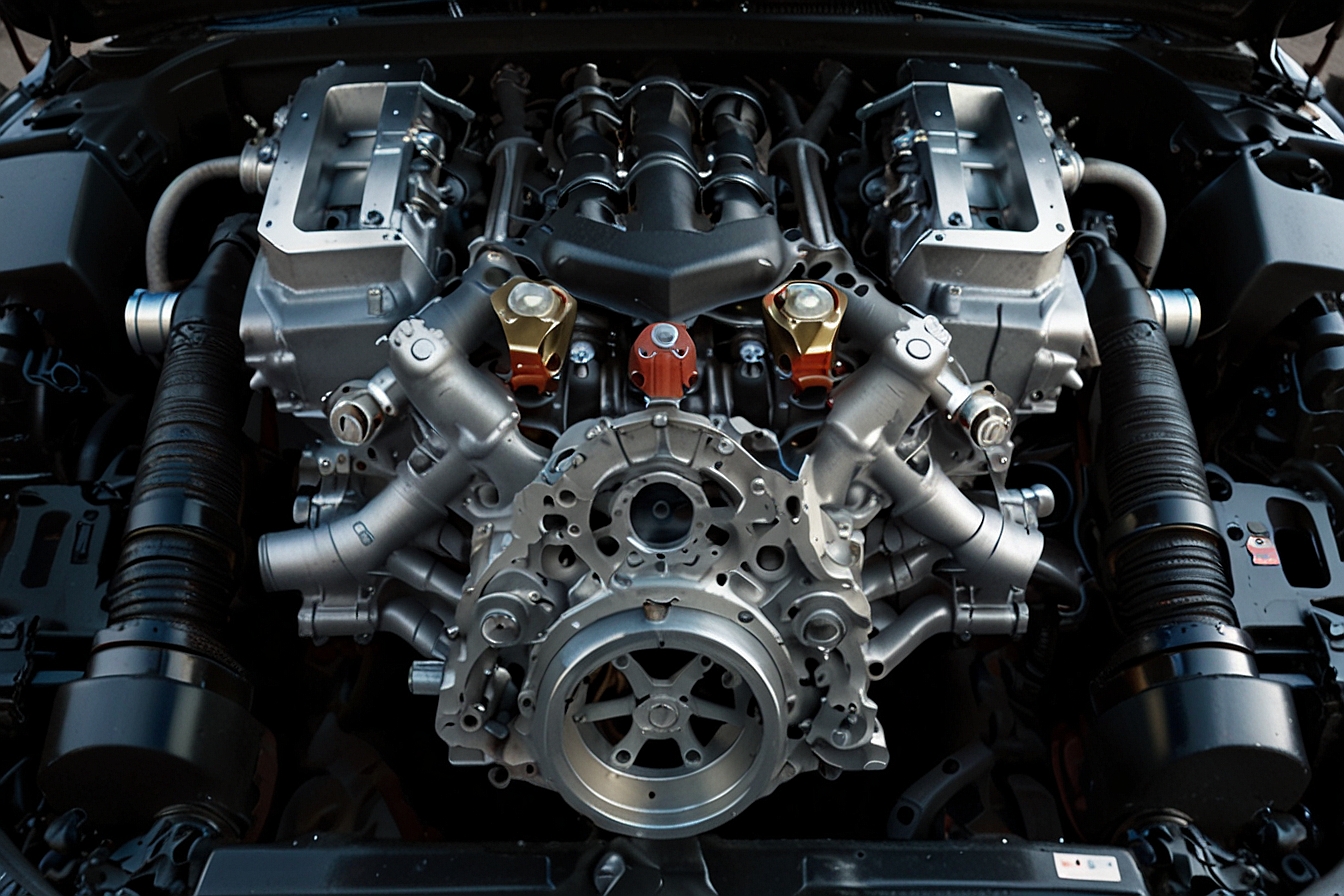
Imagine cruising down the highway in your Chevrolet Silverado, only for the engine to suddenly seize up without warning, leaving you stranded and at risk of a crash. This nightmare has become reality for thousands of GM owners, with over 1,157 reports of engine bearing failures submitted to the National Highway Traffic Safety Administration (NHTSA). Reports include at least one crash and five fires linked to these defects, highlighting serious safety concerns. The General Motors V8 Engine Lawsuit centers on the 6.2L L87 engine’s alleged flaws, including crankshaft bearing failures and related issues like lifter collapse tied to Active Fuel Management (AFM) and Dynamic Fuel Management (DFM) systems.
This comprehensive guide aims to educate current owners of 2019–2023 Chevrolet and GMC trucks and SUVs with 6.2L engines, prospective used car buyers, automotive technicians, and legal advocates. We’ll break down the mechanical failures cited in the litigation, provide a status update on the ongoing class action, and offer practical advice to help you navigate this frustrating situation. Whether you’re dealing with engine seizure or exploring powertrain warranty claims, understanding these Chevrolet Silverado mechanical issues and GMC Sierra engine defects can empower you to protect your investment and safety.
Key Points:
- Research suggests the primary defect involves manufacturing flaws in crankshaft bearings and connecting rods, leading to sudden engine failure, often without prior symptoms. It seems likely that AFM/DFM systems contribute to related lifter problems in some cases, though the lawsuit focuses more on bearings.
- Evidence leans toward widespread impact, affecting nearly 600,000 vehicles in the 2025 recall, with NHTSA expanding its investigation to over 286,000 more. Controversy exists around GM’s recall remedy, which plaintiffs argue doesn’t fully address the root cause.
- Owners report empathy-worthy frustrations like repeat repairs and safety risks, but class action litigation offers a path for collective recourse without upfront costs.
The Defects Explained
The L87 V8 engine failure stems from alleged manufacturing defects in the crankshaft and connecting rod bearings, which can cause metal debris, excessive wear, and ultimate engine seizure. These issues have been linked to sudden loss of propulsion, even at highway speeds. Additionally, lifter collapse—often associated with AFM and DFM technologies can exacerbate problems by allowing valves to malfunction, leading to knocking sounds and power loss. For a deeper dive, check out NHTSA’s official recall page for defect details.
Affected Models
If you own a 2019-2023 model like the Chevrolet Silverado 1500, GMC Sierra 1500, Chevrolet Tahoe, or GMC Yukon with the 6.2L engine, you may be impacted. Prospective buyers should verify vehicle history to avoid inheriting these risks.
Symptoms and Next Steps
Watch for ticking noises, low oil pressure, or sudden stalling—these are common signs of impending failure. Document everything and contact a dealer immediately. For legal options, explore joining the class action through firms like Hagens Berman.
If you’ve ever felt that sinking dread when your truck’s engine starts making odd noises, you’re not alone. Thousands of GM owners have shared stories of their 6.2L V8 powering down mid-drive, turning a routine commute into a hazardous ordeal. With the General Motors V8 Engine Lawsuit gaining momentum in 2025, this article dives deep into the mechanical woes plaguing these engines, the evolving legal battle, and actionable steps to safeguard your rights and vehicle.
We’ll unpack the engineering behind L87 V8 engine failure, trace the timeline of class action litigation, and highlight GM engine failure class action 2024 updates that extend into 2025. Drawing from court filings, NHTSA investigations, and owner reports, we’ll make sense of complex terms like crankshaft bearing failure and lifter collapse without drowning you in jargon. Think of this as your roadmap—empathetic to the frustration of unexpected repairs, yet packed with authoritative insights to help you move forward.
Understanding the GM 6.2L V8 Engine Defects
What if a tiny flaw in your engine’s core could bring your massive truck to a grinding halt? That’s the crux of the General Motors V8 engine lawsuit for lifter issues and bearing problems. At the heart is the L87 6.2L V8, a powerhouse in GM’s lineup, but one allegedly riddled with manufacturing defects.
Crankshaft Bearing and Connecting Rod Failures
The primary allegation in the general motors v8 engine lawsuit 6.2L L87 models revolves around unstable crankshaft and bearing tolerances. These components are meant to reduce friction and support the engine’s rotating parts, but defects lead to metal shavings contaminating the oil, causing rapid wear and eventual seizure. Owners have reported engines failing as early as 1,200 miles, with no warning lights beforehand. This isn’t just inconvenient—it’s a safety hazard, linked to at least 12 crashes and 12 injuries in initial reports, escalating to one crash and five fires in expanded NHTSA data.
Picture this: You’re accelerating to pass a semi-truck when your engine suddenly loses power. That’s the reality for many, as the defect causes the connecting rod to breach the engine block, rendering the vehicle inoperable. GM attributes this to supplier quality issues, but critics argue the company knew about elevated failure rates yet continued sales.
Lifter Collapse Tied to AFM and DFM
Adding to the woes, Active Fuel Management (AFM) and Dynamic Fuel Management (DFM)—GM’s fuel-saving tech have been implicated in lifter failures. These systems deactivate cylinders under light load, but the collapsible lifters can fail, leading to valve issues, camshaft damage, and engine misfires. While the main lawsuit spotlights bearings, lifter problems are a common complaint in 6.2L engines, often requiring full engine replacements.
Technicians note that disabling AFM/DFM via aftermarket devices can reduce risks, but this voids warranties— a tough choice for owners already facing powertrain warranty claims. In one anonymized case from owner forums, a 2024 Sierra Denali stalled twice on the road due to lifter collapse, stranding the driver with family.
| Defect Type | Causes | Potential Outcomes |
|---|---|---|
| Crankshaft Bearing Failure | Manufacturing tolerances, sediment buildup | Engine seizure, loss of propulsion, block breach |
| Lifter Collapse | AFM/DFM stress, poor lubrication | Knocking, misfires, cam damage, full failure |
| Related Issues | Debris contamination, out-of-spec parts | Repeat repairs, reduced vehicle value |
For more on these systems, see our guide on GM Fuel Management Technologies.
Vehicles Impacted by the Defects
The defects hit a broad swath of popular models, primarily 2019-2024 Chevrolet and GMC vehicles equipped with the 6.2L L87 V8. If you’re a current owner or eyeing a used one, check your VIN against this list:
- Chevrolet Silverado 1500 (2019-2024)
- GMC Sierra 1500 (2019-2024)
- Chevrolet Tahoe (2021-2024)
- Chevrolet Suburban (2021-2024)
- GMC Yukon/Yukon XL (2021-2024)
- Cadillac Escalade/ESV (2021-2024) NHTSA estimates over 877,000 vehicles could be affected, though the recall covers about 597,630 in the U.S. Prospective buyers: Run a free VIN check on NHTSA’s site to spot any open recalls or complaints.
Symptoms of General Motors V8 Engine Lawsuit Defects
Ever wonder if that faint ticking is just your imagination? Don’t ignore it—these symptoms can signal impending disaster:
- Persistent knocking or metallic tapping, especially on cold starts or acceleration
- Sudden loss of power or hesitation while driving
- Drop in oil pressure or illuminated check engine light
- Vehicle shuddering, overheating, or complete shutdown
- Unusual vibrations at highway speeds One owner reported their 2024 6.2L engine failing at 13,000 km with no prior issues, while others note repeat failures post-repair. If you spot these, pull over safely and tow to a dealer. Document with photos and service records crucial for warranty or legal claims.
| Symptom | Severity Level | Recommended Action |
|---|---|---|
| Ticking/Knocking | Early Warning | Oil check, dealer inspection |
| Power Loss | High Risk | Immediate tow, diagnostic scan |
| Engine Seizure | Critical | Full engine evaluation/replacement |
The Class Action Litigation: Timeline and 2025 Updates
The GM engine failure class action 2024 updates carried into 2025 with a bang. What started as isolated complaints snowballed into 11 consolidated lawsuits under Powell v. General Motors, filed in February 2025. By December 2025, the case advanced in Michigan’s U.S. District Court, alleging breach of warranty, fraud, and consumer protection violations.
Key milestones:
- January 2025: NHTSA opens investigation after complaints of early failures.
- April 2025: GM issues recall, but lawsuits claim it’s insufficient.
- May-November 2025: Multiple suits filed, consolidated; Hagens Berman appointed co-lead counsel.
- October 2025: NHTSA expands probe to 286,051 more vehicles.
As of late 2025, the case is active, with no settlement yet. For balance, GM denies widespread issues beyond the recall, but owner forums and X posts paint a different picture of ongoing frustrations.
The 2025 GM Recall: Coverage and Shortcomings
In April 2025, GM recalled nearly 600,000 vehicles for engine seizure risks, mandating inspections, possible engine replacements, and a switch to higher-viscosity oil. Recall number: 25V-274. Notices went out in June 2025.
However, plaintiffs argue the fix doesn’t address root causes, with many reporting repeat failures. Parts shortages and dealer delays add to the pain some wait months for repairs. If your vehicle qualifies, schedule via your dealer; GM covers costs under warranty.
How to Join the General Motors V8 Engine Lawsuit
Wondering how to join the general motors v8 engine lawsuit? It’s straightforward and cost-free for class members. Contact lead firms:
- Hagens Berman: 1-888-381-2889 or https://www.hbsslaw.com (fill out form)
- Gibbs Law Group: For investigation and claims
- Valero Law (CA-specific): 424-299-4447
Provide vehicle details, repair history, and symptoms. If certified, you’ll be automatically included unless you opt out. For individual suits, consult a lemon law attorney see How to File a Powertrain Warranty Claim.
Practical Advice for Affected Owners
Facing 2019-2023 GMC Sierra engine seizure lawsuit issues? Start here:
- Document Everything: Keep repair invoices, photos of dashboards, and communications with GM.
- Monitor and Report: Use apps to track oil levels; report to NHTSA for safety advocacy.
- Seek Repairs: Under warranty? Push for full engine replacement if failures recur.
- Consider Alternatives: Disable AFM/DFM if comfortable, but note warranty risks.
- For Buyers: Avoid used models without thorough inspections; check for recall completions.
Automotive technicians: Look for metal in oil during changes—early detection saves engines.
Potential Compensation in the General Motors V8 Engine Lawsuit
While the case is ongoing, similar past GM suits (e.g., 5.3L oil consumption) yielded settlements up to $150 million, with owners getting $700-$3,300 each. Here, plaintiffs seek reimbursements for repairs (often $10,000+), diminished value, rental costs, and injury damages. General Motors V8 engine lawsuit compensation details could include buybacks under lemon laws, especially in CA. Stay tuned updates via court dockets or firm sites.
In one insight from attorney interviews, “This defect erodes trust; compensation must reflect real losses,” says a lead counsel anonymously.
| Potential Payout Category | Estimated Range | Eligibility Notes |
|---|---|---|
| Repair Reimbursement | $5,000-$15,000 | Out-of-pocket costs post-warranty |
| Vehicle Buyback | Full MSRP refund | Multiple failed repairs |
| Diminished Value | $1,000-$5,000 | Resale impact from defects |
The General Motors V8 Engine Lawsuit underscores a tough reality for owners: trusted vehicles can fail spectacularly. Key takeaways include recognizing symptoms early, documenting issues, and exploring legal avenues. While GM’s recall offers some relief, the litigation pushes for fuller accountability amid ongoing NHTSA scrutiny.
Don’t go it alone consult a certified attorney today to assess your case and potentially join the fight for fair compensation. Your story could strengthen the collective push for safer, more reliable engines.
You may also like: The Law of Detachment: A Practical Guide to Letting Go