
 By Rightful Advice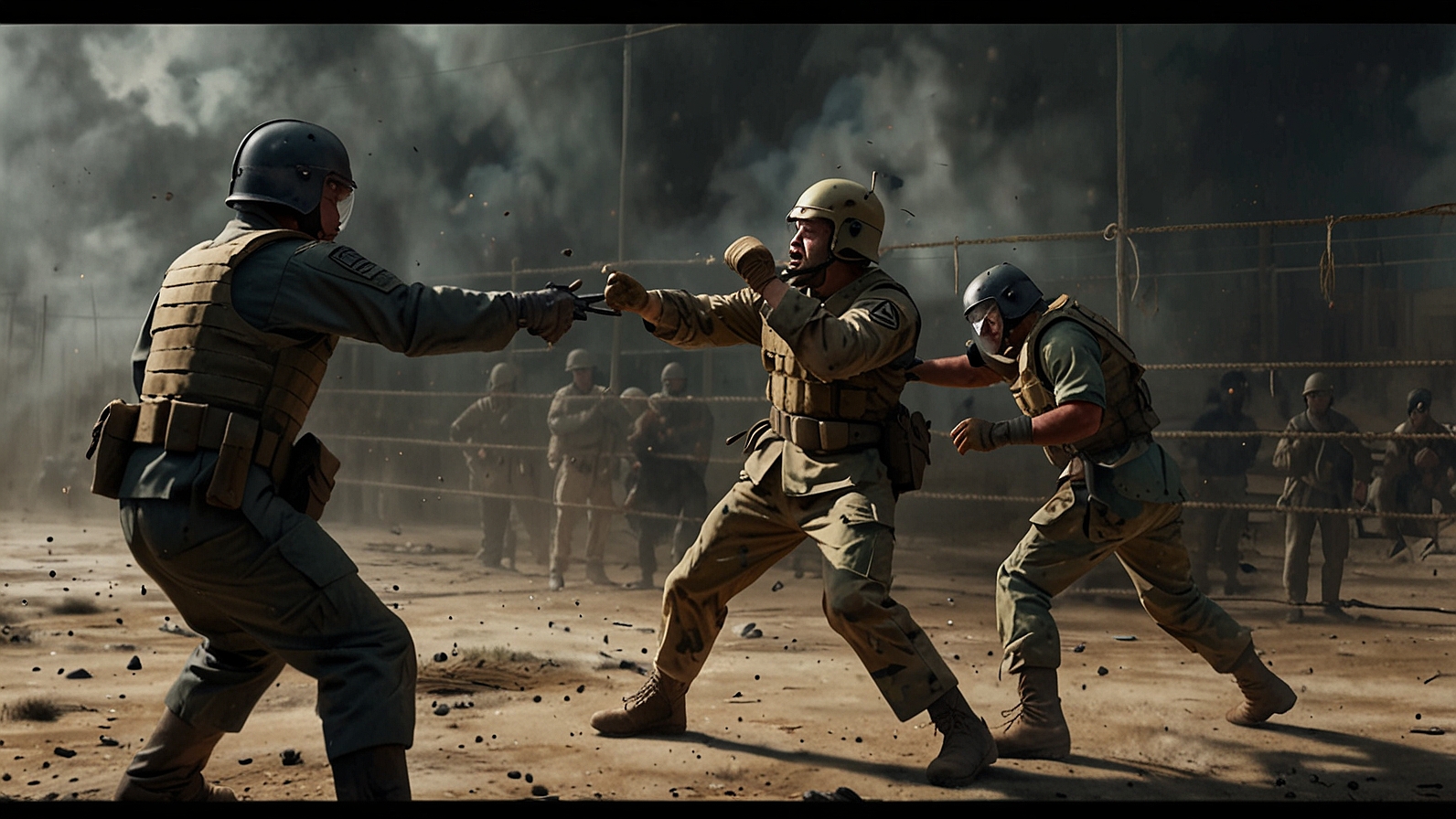
Imagine you’re at a lively bar, and a heated argument escalates into a challenge. Both parties agree to step outside and settle it with fists. Sounds like an old Western movie, right? But in real life, this scenario touches on mutual combat law, a concept that blurs the lines between consent and crime. Many people believe that if everyone agrees to fight, it’s perfectly legal. This article dives deep into what mutual combat actually means legally, explores its limitations across states, and clarifies how it differs from self-defense. We’ll debunk myths, like the idea that mutual combat is a free pass everywhere, and highlight key rules such as withdrawal. Remember, this is for educational purposes only; always consult a lawyer for your situation. By understanding mutual combat law, you can better navigate potential legal pitfalls in fights, whether from domestic disputes or unsanctioned bouts.
What Is Mutual Combat?
Mutual combat refers to a situation where two or more individuals willingly agree to engage in a physical fight. It’s not about self-protection but a consensual altercation, often sparked by a sudden quarrel or challenge. Think of it as a voluntary agreement to throw punches, without the structure of a sanctioned sport like boxing.
This concept pops up in legal defenses against charges like assault and battery. In some places, if both sides consent, it might reduce or dismiss simple assault claims. However, it’s far from a blanket permission to fight. Courts look closely at whether the agreement was clear and mutual.
Why does this matter? For someone facing battery charges from a bar scuffle, proving mutual combat could shift the narrative. But remember, it’s rarely straightforward.
Historical Roots of Mutual Combat
The idea traces back to old dueling traditions, where honor disputes were settled privately. Today, it’s evolved into a modern legal defense, but with strict limits to prevent chaos.
In the past, societies tolerated such fights as a way to resolve conflicts without broader violence. Now, laws aim to balance personal autonomy with public safety.
As a legal expert, I’ve noted how this defense echoes ancient codes, yet adapts to current views on violence.
Key Elements of Mutual Combat
For a fight to qualify as mutual combat, several factors must align. First, both parties must consent explicitly, often verbally. No coercion or imbalance, like one person being intoxicated.
Second, the fight should be fair, without surprise attacks. It’s about equal willingness, not domination.
Finally, intent matters. If the goal is serious harm, it crosses into criminal territory, like voluntary manslaughter.
Mutual Combat Laws Across the States
Mutual combat law varies wildly by state, and it’s not legal everywhere as a defense. Only a handful recognize it fully, while others ban it outright.
In Texas, for example, consent can defend against assault if no serious injury occurs and it’s not part of organized crime. Washington follows suit, allowing mutual fights under similar conditions.
Oregon explicitly outlaws mutual combat as a justification for force. Curious about your state? Check local statutes.
Is Mutual Combat Legal in California?
California treats mutual combat as a potential defense in assault cases under Penal Code sections. If both agree and no weapons are involved, charges might drop to misdemeanors or vanish.
But it’s no guarantee. Courts require proof of consent, and public fights could still lead to disorderly conduct or breach of peace charges.
Utah Consensual Altercation Code
Utah’s approach is nuanced. Under Utah Code Section 76-5-104, consent isn’t a defense if weapons are used or in duels. However, for simple fights without danger, it might apply indirectly.
The code specifies that in consensual altercations without deadly tools, prosecution could be limited. But Utah doesn’t fully endorse mutual combat like Texas.
Interested in self-defense overlaps? Read our guide on Self-Defense Laws Explained.
Mutual Combat Law States List
Here’s a quick overview:
- Texas: Allows as defense if consensual and no severe harm.
- Washington: Recognizes mutual combat legally.
- California: Defense in specific cases, no deadly weapons.
- Utah: Limited under consensual altercation rules.
- Oregon: Banned as a defense.
Most states don’t list it as legal, treating fights as assaults regardless.
The Difference Between Mutual Combat and Self-Defense
Confused about mutual combat versus self-defense? You’re not alone. Mutual combat involves willing participants agreeing to fight, while self-defense is reacting to an unprovoked threat.
In self-defense, you use force to protect yourself without starting it. Mutual combat lacks that innocence; both sides opt in.
Stand your ground laws apply to self-defense, not consensual fights. The key? Intent and initiation.
Why Mutual Combat Limits Self-Defense Claims
If you’re in mutual combat, you can’t claim self-defense unless you withdraw first. This rule prevents endless escalations.
For martial arts fans, unsanctioned fights blur this line. Always ensure agreements are clear.
Link to Stand Your Ground vs. Duty to Retreat for deeper insights.
Understanding the Withdrawal Rule
The withdrawal rule is crucial in mutual combat law. It states that if one party wants out, they must clearly communicate it and stop fighting.
Once withdrawn, continuing the attack becomes assault. This restores self-defense rights to the withdrawer.
Picture yelling “I quit!” and backing away. If ignored, the aggressor faces charges.
How to Properly Withdraw
To withdraw effectively, use words and actions. Say “Stop, I’m done,” and retreat visibly.
Courts need evidence, like witnesses, to confirm it. Without this, mutual combat defense weakens.
In domestic disputes, withdrawal can de-escalate legally.
When Consent Does Not Apply: Weapons and Excessive Force
Consent in mutual combat has hard limits. Introduce weapons, and it evaporates. Fights turn felonious fast.
Excessive force, like continuing after someone yields, voids consent too.
Victim consent doesn’t cover serious injuries or public disturbances.
Penalties for Mutual Combat Involving Weapons
Using knives or guns in a “consensual” fight? Expect aggravated assault charges, with jail time up to years.
Even without weapons, fighting in public risks fines for disorderly conduct.
In California, weapons elevate to felonies. Always prioritize safety.
Real-World Scenarios: The Barroom Brawl and Backyard Boxing
Let’s illustrate with hypotheticals. In “The Barroom Brawl,” two patrons argue over a spilled drink and agree to fight outside. No weapons, quick scuffle. Under Texas law, charges might drop if mutual.
But if one pulls a bottle? Consent gone, assault charges stick.
Now, “The Backyard Boxing Match.” Martial arts enthusiasts spar informally. If rules are set and followed, it might qualify as mutual combat in Washington.
One gets hurt badly? Excessive force could lead to lawsuits or arrests.
These show the thin line. In domestic cases, mutual combat claims rarely hold due to power imbalances.
From anonymized cases I’ve reviewed, like a 2023 California bar fight where withdrawal wasn’t honored, leading to convictions.
Debunking Common Myths
Myth one: “If we both agreed to fight, it’s legal everywhere.” False. Only select states recognize it.
Myth two: Can you press charges if you agreed to fight? Yes, if rules break or withdrawal happens.
Myth three: Consent negates all assault charges. Not true; limits apply.
Does consent negate assault charges? Sometimes, but rarely fully.
For more myths, check Assault and Battery Defense Strategies.
Potential Penalties and Legal Consequences
Even in permissive states, mutual combat can lead to charges like physical altercation laws violations.
Fines range from hundreds to thousands, plus community service.
If injuries occur, civil suits for medical bills follow.
Involving minors or crowds? Expect escalated penalties for combat by agreement.
Recent cases, like school altercations labeled mutual combat, show even teens face suspensions or records.
Always consider long-term impacts, like job loss from a record.
Mutual combat is no “get out of jail free” card. It offers a narrow defense in specific situations, but risks abound. Understand the differences from self-defense, respect the withdrawal rule, and avoid weapons at all costs. If you’re in a legal bind from a fight, knowledge empowers you. Consult a qualified attorney to assess your case and protect your rights.
You may also like: Trustworthy, Loyal, Helpful: Decoding the Scout Law